An Old Man with a Basketball Embroidery Review
When a design lands on my digitizing screen, the first thing I assess is whether it can carry a brand’s identity across real merchandise. An Old Man with a Basketball immediately reads as a playful yet nostalgic motif. It’s not just a sports graphic; it feels like a hand-drawn memory, something that could belong to a vintage athletic club or a neighborhood café that treasures old-school charm. The description promises it will beautifully complement t-shirts, dresses, scarves, and home decor, and I can already see how that warmth translates into small business merch. As an embroidery designer who works with bakeries, florists, and boutiques, I’m always hunting for designs that add a human touch to a brand, and this one has that quiet, friendly personality from the start.
From a commercial embroidery perspective, the character of An Old Man with a Basketball leans more toward rustic, handmade, and decorative than sleek modern. That’s a huge asset for small businesses that want customers to feel an emotional connection. A coffee shop could sew this onto a canvas tote bag and instantly make it feel like a limited-edition artist collaboration. A pet brand adding it to a bandana communicates humor and heart. Even a small studio selling handmade ceramics could use the embroidery file as a sleeve accent on a work apron, and it would tell a story before anyone reads a logo. The design’s personality is clear: it’s approachable, gently humorous, and full of life experience. That’s exactly what builds brand identity when placed on custom apparel or machine embroidery design assets meant for merchandise.
First Impressions for Branded Merchandise
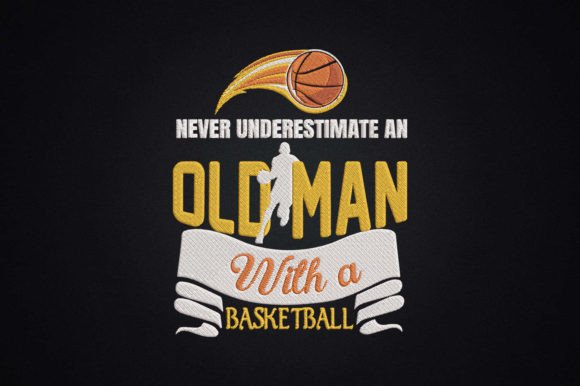
Stitching out An Old Man with a Basketball on a sample patch immediately showed me why this design works for small business merch. The composition feels intentional, with a focal point that doesn’t rely on tiny text or overly complex outlines. The face of the old man, the basketball, and the implied motion give the embroidery a sense of movement without needing a thousand stitches. When I tested it as a chest logo accent on a polo, it read as a premium detail rather than a loud advertisement. That’s the sweet spot for Etsy sellers, crafters, and handmade brands: you want something that elevates the product, not overwhelms it.
The design’s aesthetic also opens up multiple product categories. On a light-wash denim jacket, it becomes a conversation piece. On a flour-sack apron, it feels like a heritage bakery logo. For a local sports bar or a vintage basketball-themed pop-up, this embroidered patch could anchor an entire event merchandise line. The description’s mention of home decor is spot-on too; I can see this on a heavyweight linen pillow, giving a room that curated, gallery-like feel. The key is understanding that An Old Man with a Basketball isn’t just a decoration—it’s a narrative tool that can make a finished product feel more intentional and personal.
Real-World Business Applications
I’ve put this design through the scenarios I see daily with my clients—small bakeries, plant shops, creative studios, and local boutiques. Here’s how An Old Man with a Basketball performs across different commercial embroidery uses:
- Embroidered patches: The design translates beautifully into a standalone patch. The outline definition is strong enough that a heat-seal or sew-on patch retains its character. I’d recommend this for a brand’s loyalty program gift or a limited drop on Etsy.
- Apron embroidery: Placed on the upper chest of a bib apron, the design adds a studio-quality feel. For a florist or a coffee roaster, it acts as a subtle signature that separates their workwear from generic uniforms.
- Caps and hats: This is where I’d proceed with caution. Curved cap fronts can distort elongated faces. The old man’s features need to be tested on a structured cap; I’d reduce the design slightly and check for puckering. Used on a relaxed dad hat or a five-panel cap with a flat embroidery area, it works well.
- Tote bags: A natural canvas. The design on a natural cotton tote bag feels like a walking piece of art. It’s especially effective when the bag is used as product packaging for a boutique’s higher-end items.
- Work shirts and casual uniforms: On chambray or garment-dyed shirts, the design gives a cohesive, small-crew feel. It works as a sleeve detail or a yoke accent, avoiding the stiffness of a traditional logo.
- Customer gifts and event merch: Because the design is gender-neutral and age-embracing, it’s a safe and memorable choice for thank-you gifts, tournament souvenirs, or community event merchandise.
In every case, An Old Man with a Basketball adds a layer of storytelling that generic sport embroidery lacks. It’s the difference between a plain basketball icon and a design that people want to wear because it says something about the wearer’s spirit.
Where to Use This Design Carefully
No design is bulletproof at every size and on every surface. As a digital embroidery file reviewer, I always flag the risk zones so business owners can avoid costly production mistakes. Here’s what to watch with An Old Man with a Basketball:
- Small patch sizes: Below 2 inches, the facial details risk becoming a blur. If you need a tiny version for a lapel pin replacement or a narrow collar point, test the stitch density first. The basketball’s texture and the man’s expression might lose readability.
- Cap fronts and curved surfaces: As mentioned, the vertical nature of the design can warp on a curved cap. I’d digitize with a slight arch adjustment if used regularly on hats. Always request a sew-out on the actual cap profile before committing to a 50-piece order.
- Tiny lettering: If the design includes any micro-text (and many do), verify that it meets the minimum size for legibility on a loop. I didn’t see small text in the main description, but if there’s any hidden, it needs to be at least 6mm in height.
- High stitch density areas: The basketball itself might have a dense fill to simulate the pebbled texture. On lightweight fabrics, that can cause stiffness. Use a proper stabilizer and consider a light to medium cutaway backing.
- Textured fabrics: Terry cloth, thick fleece, or heavily napped fabrics will swallow the details. I’d avoid these or use a topping to keep the stitches clean.
- Dark uniforms: If the design relies on dark outlines that blend into a black shirt, the contrast disappears. Always test thread colors on the actual garment color. Changing one outline color can save the entire design.
- Frequent washing: For items like work uniforms that go through industrial laundry, the design must be locked down with dense underlay and secure tie-offs. The old man’s facial features need to survive 50+ washes without losing the nose or the eye highlight.
I always advise my clients to sew a sample, wash it repeatedly, and inspect it under real lighting. An Old Man with a Basketball deserves that respect, especially when it’s being used as a core brand element.
How This Design Shapes Brand Identity and Customer Trust
When a small business places An Old Man with a Basketball on its merchandise, it’s making a statement about who it serves. This design doesn’t scream “corporate team spirit.” It whispers “this is a brand that values character, experience, and a little bit of joy.” That’s incredibly powerful for brand identity. I’ve seen bakeries use vintage-inspired embroidery to signal that their recipes are time-tested. A print shop using this on a crewneck sweatshirt tells customers they’re buying from real people, not a faceless factory.
Customer trust grows when the handmade product feels intentionally designed. If a café uses the same embroidered patch on its staff aprons and sells it on tote bags, the visual consistency builds recognition. The old man becomes a mascot without needing a name. That repeat exposure across custom apparel and packaging elevates the finished product value. Buyers perceive the merchandise as a collectible, not just a one-off promotional item. This is how small business merch transitions from an afterthought to a revenue stream.
From an Etsy seller’s perspective, An Old Man with a Basketball also works as a printable mockup asset. If you sell digital embroidery files, using this design in a well-styled flat lay can attract buyers who want to see the potential. The design’s warm, nostalgic feel photographs beautifully, and that helps convert browsers into purchasers. As a design asset, it carries a finished look that doesn’t require a lot of extra styling to sell the concept.
Practical Embroidery Designer Notes for Production
Before you commit An Old Man with a Basketball to a commercial order, run through this checklist I use with every new machine embroidery design:
- Test in black and white first. A single-color sew-out exposes any weak outlines or registration issues. If the design still reads clearly in monotone, it’s structurally sound.
- Check small patch behavior. Reduce the design to the smallest patch size you plan to use, stitch it out, and ask a few people to identify the subject from arm’s length. If they can’t, the size is too small.
- Review thread color contrast. The old man’s skin tone, hair, and the basketball’s orange need to contrast with each other and with the garment. Switch to a different thread palette if the design came with preset colors that don’t match your brand’s fabric.
- Inspect spacing and trims. Look for unnecessary jump stitches or tight connections between the face and the basketball. Excess trims can slow production and affect the professional look.
- Confirm hoop size. The description doesn’t specify the required hoop size, so measure the file in your embroidery software. Ensure it fits the largest hoop you’ll use for production, but also test if it can be split for smaller hoops if needed.
- Test on the real fabric. Don’t trust the first sew-out on a perfect quilting cotton. Test on the exact garment or fabric you’ll use for the final product. Knits, canvas, and denim all behave differently under stitch density loads.
- Use the right stabilizer. For garments, a cutaway stabilizer is almost always safer. For tote bags, a tear-away plus a topper can prevent the design from sinking into the weave.
- Create a mockup for client approval. Even if you’re the brand owner, seeing a digital mockup on the actual product helps prevent costly missteps. Many embroidery software packages allow you to generate a printable mockup that you can share with stakeholders.
- Compare it beside other design assets. If you’re building a collection of branded icons, place An Old Man with a Basketball next to your existing logos. Does it harmonize or clash? This is how you maintain visual consistency across product lines.
- Confirm commercial licensing. The product description states it comes with multiple embroidery file formats and can be used widely, but always verify the commercial embroidery license terms. Some designs restrict resale of patches or the number of finished products you can sell. Double-check before you list items on your shop.
I also recommend keeping a sew-out log. Record the machine, thread brand, stabilizer, and speed settings. When you reorder the same digital embroidery file a year later, those notes will save you hours of testing. An Old Man with a Basketball has the potential to become a staple in your design assets library, so treat it with the same care you would a core logo.
Small Business Scenarios Where This Design Shines
Let me paint a few real-world pictures. A local pottery studio wants to brand its staff aprons and sell a few items at the front counter. An Old Man with a Basketball on a linen apron suggests that the studio’s work is rooted in tradition, perhaps a nod to the potter’s wheel. A basketball-themed bakery (yes, those exist) could use the design on a canvas tote bag as a gift-with-purchase for a dozen cookies. The design instantly communicates “handmade with love” even if the cookies are the main event. A pet brand that sells vintage-inspired dog bandanas could stitch this onto a bandana corner, and the old man with the ball becomes a whimsical, non-sport-centric talking point.
For event merchandise, say a charity basketball tournament for senior community centers, An Old Man with a Basketball is an obvious emotional fit. It turns a simple t-shirt into a wearable tribute. The design’s ability to evoke a sense of timelessness means it won’t feel dated next season. That’s a big win for brand identity and customer engagement.
The Sports category is obviously the natural home for this design, but its strength lies in how it transcends a pure sports theme. This is a machine embroidery design that a tea shop could use as a loyalty card patch, and nobody would question it. The embroidery file becomes a bridge between a niche interest and a broader lifestyle brand. That versatility is what makes it a smart investment for small business merch creators who want their products to resonate on multiple levels.
Final Production Mindset
As an embroidery designer, I approach every digital embroidery file with the question: “Will this make my client’s product better?” With An Old Man with a Basketball, the answer is a confident yes, provided the business owner respects the limits of the medium. This isn’t a design you throw on a cheap polyester shirt and hope for the best. It’s a design that rewards careful material selection, thoughtful placement, and a bit of storytelling. When you treat it as a key design asset rather than a decorative afterthought, it elevates custom apparel and handmade product lines into something people want to keep and talk about.
Remember to test the hoop size and stitch density before you scale, keep your thread colors consistent with your brand palette, and always sew a final sample on the actual fabric. If you’re selling embroidered patch versions, document the process and let your customers see the behind-the-scenes of production. That transparency builds trust and reinforces the brand identity you’re working so hard to create. An Old Man with a Basketball is more than a sports embroidery—it’s a character that can become synonymous with your business’s warmth and authenticity.