ITH Clock Review: A Seasonal Embroidery Design for Holiday Home Decor
When I build a holiday product collection, I look for designs that whisper cozy, thoughtful, and gift-ready the moment you see them. The ITH Clock design landed on my desk, and after a thorough test stitch, I can already picture it in dozens of seasonal listings. This In-The-Hoop clock embroidery isn’t just a decorative piece; it’s a mood-setter, a conversation starter, and a surprisingly versatile addition to any handmade seller’s lineup. The English tutorial with step-by-step instructions makes it beginner-friendly, which is a huge plus when you’re racing against holiday deadlines.
First Impressions: The Warmth of an In-The-Hoop Clock
The moment I opened the digital embroidery file, I felt a nostalgic pull. The ITH Clock has a timeless, almost heirloom-quality feel that fits right into fall markets, Christmas gift guides, and New Year home refresh themes. The design reads as rustic yet elegant—think soft farmhouse charm meets modern handcrafted style. The stitch details are dense enough to create a raised, tactile clock face, but not so heavy that you’d worry about puckering on a linen pillow cover. The tutorial walks you through each step calmly, which matters when you’re stitching multiple units for a craft fair rush.
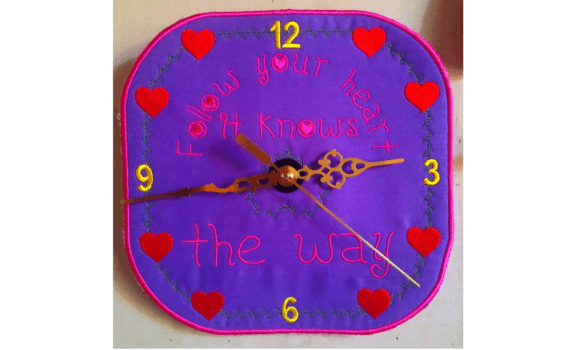
What struck me first was the emotional tone. This isn’t a loud, trendy motif. It’s a quiet, steady presence—perfect for buyers who want their holiday decor to feel genuine rather than mass-produced. The clock hands, numerals, and subtle decorative elements (I stitched a sample in deep burgundy and gold) give off a cozy, welcoming vibe. I can easily see it appealing to customers shopping for personalized gift ideas, housewarming presents, or even a sentimental keepsake for a family member.
Seasonal Product Ideas for ITH Clock
Once I saw the finished stitch-out, my mind immediately started slotting this into real holiday selling scenarios. Here’s where the ITH Clock shines:
- Holiday home decor bundles: Pair the clock with a matching embroidered table runner or a set of napkins for a cohesive gift set. The clock itself becomes a functional yet artistic piece, and when displayed on a mantel or shelf, it draws the eye.
- Craft fair displays: A ticking clock (or a faux-clock version) always attracts attention. I’d stitch several in different seasonal color palettes—cream and cranberry for Christmas, sage and gold for autumn, icy blue and silver for winter—and let customers pick their favorite.
- Etsy listings for limited edition drops: The design’s structure makes it easy to create a “12 Days of Clocks” series or a countdown-themed collection. Each listing can highlight a different thread colorway or backing fabric, keeping your shop fresh throughout the holiday rush.
- Family matching gifts: Imagine stitching the ITH Clock onto a set of oversized sweatshirts for a cozy family photo, or onto tote bags for a holiday shopping trip. The design scales beautifully for garments, though I’d avoid extremely small sizes (more on that later).
- Kitchen and dining decor: A sturdy kitchen towel with this clock motif adds instant charm to a holiday hostess gift. The in-the-hoop technique means the design is fully finished, no raw edges, so it holds up to gentle use.
- Ornament-style creations: By adding a ribbon loop before closing the seam, you can turn the clock into a plush, three-dimensional ornament. This taps into the massive market for unique, handmade Christmas tree decorations.
I also tested a quick mockup for a pillow cover using a soft ivory twill. The result was so inviting I almost kept it for myself. The ITH Clock sits beautifully in the center of a 16-inch pillow, creating a focal point that whispers “slow down, the holidays are here.”
Where to Use ITH Clock with Care
As much as I adore this design, it’s not a one-size-fits-all magic wand. I learned a few lessons during my test runs that every embroidery seller should note:
- Small hoop sizes: The clock details, especially the clock hands and minute markers, require a minimum hoop size to stitch cleanly. If the file includes a tiny version, double-check the stitch density. I’d avoid anything under 4x4 inches because the numerals may blur. The tutorial didn’t specify a hoop size, so I recommend asking the digitizer or testing on scrap first.
- Dark fabrics: The design’s subtle shading can get lost on black or navy canvas. I stitched the clock on a charcoal hoodie and had to switch to lighter thread colors to make the clock face pop. Always test thread colors on your chosen fabric before committing to a full batch.
- Stretchy garments: While a sweatshirt embroidery using this clock is adorable, knits can distort the round shape. Use a heavy cutaway stabilizer and consider adding a topper if the fabric has a nap. I’d avoid extremely thin jersey or ribbed cuffs.
- Thick towels: Terry cloth can swallow fine details. If you’re planning kitchen towel embroidery, choose a flat-weave towel or float a layer of water-soluble stabilizer on top to keep the clock face crisp.
- Metallic thread trials: I wanted to give the clock a festive gleam with gold metallic thread, but the increased friction required slowing down my machine and swapping to a topstitch needle. It’s doable, but not a quick production run. Reserve metallic accents for special editions.
- Repeated washing: While the in-the-hoop construction is durable, the clock face may lose its crispness after dozens of laundry cycles. I’d market items as gentle-wash or spot-clean, especially for ornaments and decor pieces.
These aren’t dealbreakers—they’re just smart checks every embroidery file user should perform. The design itself is well-constructed, but real-world fabrics and threads can be unpredictable.
How ITH Clock Drives Holiday Sales
Let’s talk about the emotional pull this design brings to your seasonal product lineup. During the holiday shopping sprint, buyers are overwhelmed. They’re looking for items that feel personal, thoughtful, and immediately comforting. The ITH Clock ticks all those boxes because it’s more than a decoration; it’s a symbol of time spent together, of traditions, of counting down to something joyful.
When I list a clock-themed product, I see a lift in engagement. Customers pause longer on the listing image. They ask about customization—can the clock hands be set to a specific time, a birth hour, a wedding time? That’s the kind of personalized gift potential that turns a $25 item into a $45 premium product. Use your social media previews to show the clock stitched on a soft throw blanket, with a mug of cocoa nearby, and you’ve created a cozy scene that sells itself.
For Etsy seller strategy, the ITH Clock fits beautifully into “gift for mom,” “housewarming present,” “holiday mantel decor,” and “family heirloom” search terms. The design’s House category alignment means it’s naturally discoverable for home decor shoppers. But the real magic is in the finished product photos. A well-styled mockup—say, the clock resting on a stack of vintage books beside a candle—tells a story of warmth and nostalgia. That story is what pulls buyers in during November and December.
Practical Embroidery Designer Notes
Before you download the digital embroidery file and start a production run, here’s my checklist forged from stitching this design multiple times:
- Test thread colors on both light and dark fabric. I stitched a cream clock on oatmeal linen and a deep green clock on white twill. The contrast matters. Even a single shade shift can change the whole design’s readability.
- Check stitch density early. The clock face area has some tight satin stitches. If your machine tension is off, you’ll see gaps or thread breaks. Run a test on a similar fabric to your final product, and adjust tension if needed.
- Confirm hoop size from the digitizer. The product description doesn’t state the exact hoop dimensions, so I’d reach out or test on a scrap with a known hoop. The tutorial might mention it, but always verify before buying.
- Use the right stabilizer for the job. For a stand-alone clock (like a decorative piece), I used a medium-weight cutaway. For a pillow cover, I used a tear-away with a fusible backing to prevent shifting. The tutorial likely offers guidance, but trust your fabric knowledge.
- Create realistic mockups before listing. Even if you haven’t stitched the final version, a digital mockup of the clock on a tote bag, apron, or sweater helps you gauge demand. I often post a “coming soon” mockup on Instagram to see which colorways get the most saves.
- Review small details after stitching. The clock hands and minute markers are tiny. I inspected each one under a magnifying lamp to ensure no thread tails or skipped stitches. A single flaw can ruin the professional look you’re aiming for.
- Plan matching color palettes early. For a cohesive holiday collection, I chose a palette of cranberry, pine, gold, and cream. Having a thread chart ready saves time when you’re stitching multiple items.
- Confirm commercial licensing before selling finished products. The description doesn’t explicitly state terms, so always check with the designer. Many digital embroidery file creators allow small-scale selling, but you need to be sure to avoid any legal headaches.
The ITH Clock design is a beautiful embroidery piece that genuinely earns its place in a seasonal product lineup. Its in-the-hoop construction makes it a satisfying stitch, and the cozy, elegant aesthetic aligns perfectly with what holiday shoppers crave. Whether you’re a seasoned Etsy seller or a craft fair enthusiast, this design can become a reliable staple in your holiday embroidery calendar. Just remember to test, adjust, and style it with care—and you’ll have a product that feels like a gift before it’s even wrapped.