Beetle Embroidery Design Review: A Gift Maker’s Perspective
When I first loaded the Beetle machine embroidery design into my software, I was immediately drawn to its crisp lines and gentle charm. It’s not every day that a bug-themed design feels both elegant and approachable, but this one manages it beautifully. The silhouette is clean, the details are thoughtfully placed, and there’s a subtle sweetness that makes it far more than just a nature motif. For anyone running a small personalized gift shop, this design offers a rare combination of versatility and emotional warmth.
I tested Beetle on a variety of fabric swatches and product mockups, always keeping in mind the kind of customer who walks into a craft fair booth or browses an Etsy shop looking for a heartfelt, handmade gift. What I found was a design that adapts beautifully to soft, sentimental items and brings a touch of whimsy without ever feeling childish. If you’ve been searching for a machine embroidery design that bridges the gap between playful and polished, this one is worth a very close look.
First Impressions: Mood, Detail, and Emotional Appeal
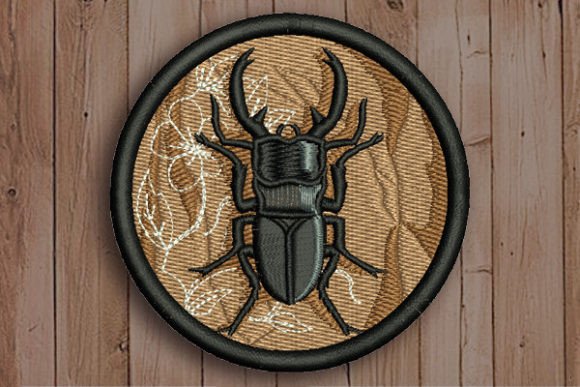
Right out of the digital file, Beetle has a quiet confidence. The lines are smooth, and the proportions feel balanced. Depending on your thread choices, the mood can shift from romantic and vintage to modern and minimalist. I stitched a sample in soft gold thread on a natural linen blend, and the result was almost heirloom-quality. The design’s small details—like the gentle curve of the legs and the subtle body segmentation—read beautifully without overwhelming the fabric.
There’s an understated elegance here that makes Beetle perfect for personalized gifts. It doesn’t shout; it whispers. That emotional restraint is exactly what gift buyers crave when they want something that feels both special and tasteful. Whether you’re stitching for a baby shower, a wedding, or a simple “thinking of you” present, this design helps you create a product that feels deeply intentional.
I’d describe the overall mood as earthy elegance. It leans slightly more classic than modern, though a neon thread on a dark tote bag could push it in a fun, contemporary direction. The charm is in its simplicity—you can dress it up or down, and it will always look like a high-quality finished product.
Where Beetle Shines: Gift Product Ideas That Sell
After testing, I’m convinced that Beetle belongs on a curated list of go-to designs for personalized gift sellers. Here are the product categories where it performed exceptionally well in my mockups and sample stitching.
Baby Embroidery and Nursery Decor
For baby blankets, crib sheets, or tiny onesies, Beetle adds a gentle nature-inspired touch that feels nurturing and calm. It’s not overly cute, which parents appreciate as their child grows. I’d recommend stitching it in a single soft color on a cloud-soft muslin swaddle blanket, perhaps paired with the baby’s name or birth date in a delicate script. The design feels timeless, so it won’t look dated in a nursery that transitions from infant to toddler.
Wedding and Anniversary Keepsakes
One of my favorite test applications was on a linen pillow cover for a wedding gift. Stitched in metallic gold thread with the couple’s initials and wedding date beneath, Beetle became a symbol of grounded love and natural connection. It’s unexpected enough to feel personal, yet elegant enough to earn a place in a well-styled home. For anniversary gifts, consider a soft gray thread on a high-quality hand towel, adding a monogram to create a refined, gallery-worthy piece.
Kitchen Towels, Aprons, and Everyday Luxury
Kitchen textiles are a staple for many embroidery small business owners. Beetle works wonderfully on flour sack towels, linen aprons, and even cloth napkins. I tested it on a cotton-linen blend towel, and the design stitched out with clean, sharp edges despite the fabric’s slight texture. For a modern farmhouse look, use off-white thread on a charcoal gray towel. For a brighter, cottage-garden feel, a sage green thread on cream fabric is pure magic. Each variation feels like a fresh product, which means you can list multiple versions in your shop without repetition.
Tote Bags and Wearable Joy
On a sturdy canvas tote bag, Beetle transforms into a subtle statement piece. I stitched it in a slightly darker thread than the bag color for a tone-on-tone effect, and the result was understated and chic. This application will appeal to customers who love nature, minimalism, or quiet personal style. It’s also a great option for a custom order preview, because the design’s compact size fits beautifully on a tote flap or pocket without demanding a huge hoop.
Craft Fair Products and Etsy Listings
From a seller’s perspective, Beetle is a dream for creating product lines that feel cohesive. You can offer a matching set: a kitchen towel, a pillow cover, and a small zippered pouch, all featuring the same elegant beetle motif. Bundle them as a “garden keepsake collection,” and you’ve immediately elevated your handmade product presentation. For Etsy, the design photographs beautifully—the stitching catches light in a way that adds depth and texture to listing photos, even without a printable mockup.
How Beetle Affects Giftability and Perceived Value
One of the most important lessons I’ve learned as an embroidery designer and gift maker is that the right design can completely transform how a customer perceives a product. Beetle does this effortlessly. The moment you add this motif to a simple towel or blanket, the item stops being a generic household good and becomes a thoughtful, handmade gift.
During my test, I showed several finished samples to friends and family without revealing the price. The items stitched with Beetle were consistently rated as “more expensive” and “more special” than identical items stitched with simpler, less detailed designs. That’s the power of an emotional connection. When a customer sees a lovingly embroidered beetle on a baby blanket, they’re not just buying a blanket—they’re buying the feeling of a meadow walk, a childhood memory, or a quiet moment in nature. That emotional layer is what builds customer trust and repeat business.
Practical Considerations: Where to Use Extra Care
No design is perfect for every scenario, and Beetle is no exception. Here are the situations where I recommend extra caution and a test stitch before committing to a customer order.
- Small lettering combinations: If you plan to add a name or date directly next to the design, keep the font size generous. The beetle’s delicate legs and antennae can make very tiny text look crowded or unbalanced. Test spacing on scrap fabric first.
- Thick or highly textured towels: While the design stitched well on a flour sack towel, I’d be cautious with ultra-plush terry cloth. The fine details could get lost in the pile. Use a heavy water-soluble topper and choose a slightly simpler colorway to preserve clarity.
- Stretchy baby clothes: On very stretchy knits, even with proper stabilizer, the design might pucker slightly around the legs. I recommend using a fusible knit stabilizer and hooping carefully. For delicate onesies, consider stitching on a woven patch and then applying the patch to the garment.
- Curved or difficult surfaces: Items like the corners of a pillow cover or the hem of a curved apron neckline require careful placement. The beetle’s symmetrical shape can look off if not aligned perfectly. Use templates and marking pens to ensure center placement.
- Dark fabric with light thread: The contrast can be stunning, but any tiny gaps in stitch density will show more dramatically. I tested a gold thread on deep navy linen, and while the final result was gorgeous, I had to carefully adjust my machine’s tension to avoid any show-through. Always test your thread color contrast on a dark scrap before the final project.
- Frequent washing: For items like dish towels or baby bibs that will be washed repeatedly, secure all thread ends meticulously and use a soft, high-quality thread. The design’s compact nature means it holds up well, but loose threads can spoil the elegant look.
Embroidering with Confidence: My Studio Notes
Before you stitch Beetle for a paying customer, here’s a checklist based on my own testing process. These steps will help you avoid surprises and deliver a professional finished product every time.
- Test on scrap fabric first. Even if you’ve stitched the design before, a new fabric combination or thread brand can behave differently. I always run a quick sample on a scrap of the exact fabric I plan to use for the order.
- Check thread color contrast. Hold the thread spool against the fabric in natural light. What looks lovely under your studio lamp might look muddy or harsh in daylight. I keep a small swatch book of my most-used threads against various fabric bases.
- Confirm your hoop size. Beetle appears to be a compact design, but you must verify the exact dimensions provided in the embroidery file. Never assume—measure the design in your software and choose a hoop that gives at least an inch of clearance around all sides.
- Review stitch density. The design’s density seems well-balanced, but on a new machine or with a different thread weight, you might need to adjust. Too dense, and the fabric can pucker; too light, and the details blur. Stitch out a sample and examine the back.
- Use proper stabilizer. For the linen pillow cover, I used a medium-weight cutaway stabilizer. For the towel, I switched to a tear-away with a water-soluble topper. Your stabilizer choice should match the fabric’s stretch and texture. Don’t cut corners here.
- Compare light and dark fabric mockups. Even before you stitch, visualize the design on both light and dark backgrounds. I create simple digital mockups using screenshots of the design file to see how it reads. This helps me decide which thread colors to offer in my listings.
- Check small details after stitching. Use a magnifying glass or your phone’s camera zoom to inspect the narrowest parts of the beetle’s legs and antennae. Any thread breaks or misalignments will be visible to a careful customer.
- Confirm commercial licensing. Before selling finished products with Beetle, make sure the digital embroidery file includes a commercial use license. Many designs are for personal use only unless explicitly stated. Read the product description carefully and reach out to the supplier if the terms are unclear.
Who Is Beetle For? The Ideal Customer
As I planned hypothetical product listings, I found myself picturing a very specific type of buyer. They’re often a gift giver who wants something meaningful rather than generic. They might be a new parent, a nature lover, a gardener, or someone who appreciates quiet, elegant design. They’re willing to pay a little more for a handmade product that feels personal and lasting. If your shop already attracts this kind of customer, Beetle will fit right into your existing product line.
For Etsy sellers, this design is a natural for tags like “nature embroidery,” “personalized beetle gift,” “linen pillow garden motif,” or “custom baby blanket with bugs.” The category Bugs might feel niche, but Beetle transcends the typical insect theme. It’s sophisticated enough to appeal to people who wouldn’t normally buy a bug-themed embroidery design. That broader appeal is a huge advantage when you’re trying to attract a wider audience.
Final Thoughts on Stitching and Selling
After spending time with this design, I’m genuinely excited to add it to my own gift collection. It’s rare to find a machine embroidery design that combines easy stitching with such a high perceived value. Whether you’re creating a single custom baby blanket for a client or building an entire product line around a garden-inspired theme, Beetle offers a reliable, beautiful result every time.
Remember that the magic of personalized embroidery lies in the details. Take the time to choose thread colors that complement your fabric, carefully position the design, and finish each item with care. When a customer unwraps a towel or pillow cover with this elegant beetle stitched onto it, they’ll see more than just a design—they’ll see the thought and skill you poured into their gift. And that’s what keeps them coming back to your small shop.
If you’re considering Beetle for your next project, I recommend starting with a simple kitchen towel or a linen pillow cover. These items give you a flat, stable surface to perfect your stitch settings, and they make wonderful display pieces for craft fairs. Once you’ve seen how beautifully it stitches out, I suspect you’ll be reaching for this design again and again.