Block Font PQR: An Embroidery Seller’s Honest Review
When I browse Creative Fabrica embroidery designs, I’m always hunting for fonts that can actually earn their place in a small shop lineup. The Block Font PQR stopped my scroll because it sits in the Back To School category, but after a closer look, it’s clear this machine embroidery design has far more potential than just seasonal projects. As someone who stitches and sells finished products on Etsy, I need lettering that looks professional, reads clearly at thumbnail size, and doesn’t become a nightmare to hoop and stabilize. This review is my honest planning breakdown—what I’d check before listing, what products I’d pair it with, and whether it’s a smart addition to your craft business.
First Impressions: The Personality of Block Font PQR
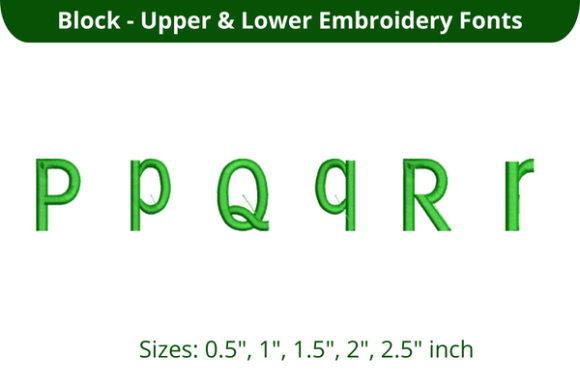
From the product title and description, Block Font PQR reads as a clean, bold, and slightly geometric lettering style. It’s not a whimsical script or a delicate serif—it feels modern, minimal, and confident. I’d describe its personality as classic with a touch of playful structure. It’s the kind of font that works equally well on a unisex hoodie as it does on a crisp kitchen towel. There’s no overly cute or rustic vibe here, which is a huge advantage. When you’re building a handmade product line, versatility matters. A font that leans too feminine or too seasonal can limit your Etsy listing visibility. Block Font PQR appears gender-neutral, all-age friendly, and can be dressed up or down with thread color choices.
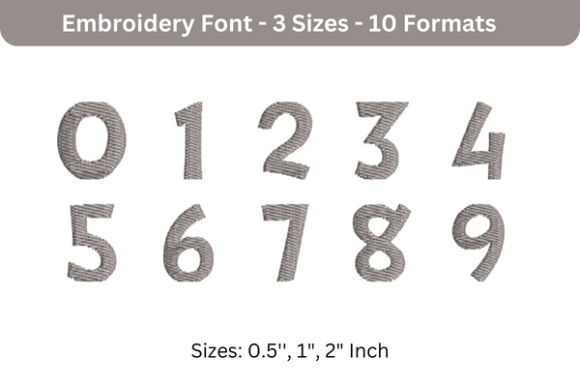
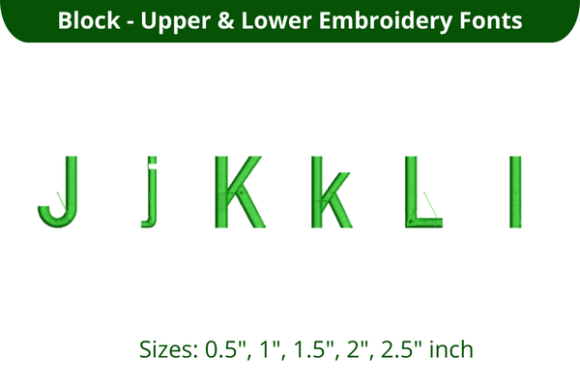
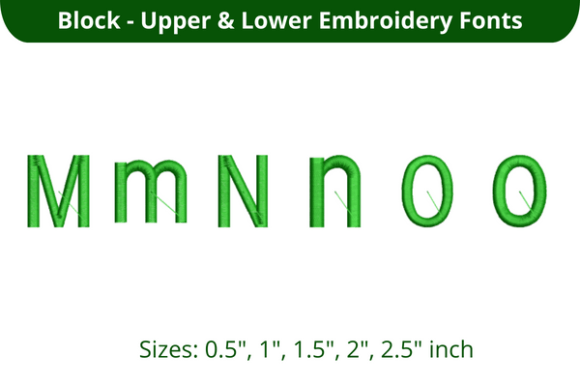
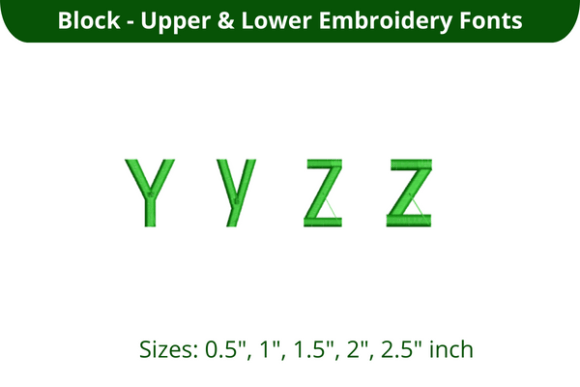
Because it’s called a block font, I expect solid, well-defined satin stitches with good coverage. The embroidery file should be digitized for clean corners and even stitch density. Since the description doesn’t include stitch count or hoop size, I’ll need to confirm those details on the Creative Fabrica product page before stitching. But visually, the font promises a premium, giftable look without being fussy.
What Products Do I Immediately Picture?
One of the first things I do when evaluating any embroidery design is mentally match it with my most popular product bases. For Block Font PQR, the list came quickly:
- Personalized tote bags – a single initial or a short name in this bold font would photograph beautifully and attract boutique buyers.
- Sweatshirt embroidery – a last name arched across the front chest, or a small date on a cuff, feels modern and custom.
- Baby embroidery – a first name on a baby blanket or a tiny onesie becomes a keepsake, and the block style keeps it chic rather than cute-overload.
- Kitchen towel embroidery – monograms or short quotes like “EAT” or “BAKE” in a structured font turn a $5 towel into a $20 gift set.
- Embroidered patches – you can stitch out single letters or short words, back them with felt, and sell them as iron-on patches. The block lettering will hold its shape well.
- Pillow covers and aprons – a family name or a simple “Home” label looks designer-quality.
- Caps and hats – a small name or initial on the side of a cap is a popular request; block fonts are easy to read at that scale.
Because the font is described as suitable for names, dates, and quotes, it’s a natural fit for custom apparel orders and personalized gift listings. I can see it being used for craft fair items, boutique merchandise, small batch apparel, and even seasonal collections by simply switching thread colors. A white stitch on a red sweatshirt is instantly holiday-ready; pastel threads on a linen tote scream spring.
Etsy Selling Potential and Buyer-Focused Value
When I list a finished product, I think about how a buyer will discover it, what makes them click, and what makes them confident enough to purchase. Block Font PQR supports all of that. A bold, clean font photographs well—it shows up in the listing thumbnail even on a mobile screen. That’s a huge conversion factor. If a customer can’t immediately read the customization, they scroll past. This font’s clarity means I can create printable mockups and social media previews that look just as good as the real stitch-out.
Personalization is the emotional hook. A name or date turns a generic item into a thoughtful, memorable gift. Buyers searching for “personalized baby blanket,” “custom tote bag,” or “embroidered gift for her” are far more likely to pause on a listing that uses a font that feels intentional and well-designed. Block Font PQR elevates the product from “handmade craft” to “handmade boutique.” It makes the finished product feel more professional and giftable, which also helps justify higher price points.
Additionally, because this is a digital embroidery file from Creative Fabrica, you can stitch it as many times as you need for your commercial embroidery products (subject to license terms). That means you can build a whole collection of personalized items without ever paying for another font file. For a small shop owner, that’s a sound investment—as long as the stitch quality holds up.
Practical Seller Notes: What I’d Test Before Selling
I never trust a design until I’ve run a sample stitch-out. Here’s exactly what I’d check before listing anything made with Block Font PQR:
- Confirm hoop size and design dimensions. The product description doesn’t specify the built-in character sizes. I’d download the file and check how large a single letter stitches out and whether the whole alphabet fits within my most commonly used hoops. If I need to scale, I’d verify the digitized spacing and stitch density holds up.
- Stitch density and coverage. Block fonts can be dense by nature. I’d stitch a sample on a medium-weight fabric with a cutaway stabilizer and see if the satin stitches lie flat or if they feel stiff. I’d also test on a knit fabric to ensure no puckering. If the density is too heavy, I might need to adjust tension or add a knock-down stitch.
- Thread color play. I’d photograph the same letter in a few different thread shades—matte, glossy, bright, neutral—to see how the font’s personality shifts. Sometimes a bold font looks more elegant in a muted tone and more playful in a neon. These photos become my listing images.
- Readability at thumbnail size. I’d shrink the sample photo to Etsy listing dimensions and check if the lettering still reads clearly. For a block font, the answer should be yes, but I’d verify especially for smaller text like dates or short quotes.
- Stabilizer and fabric compatibility. I’d test on the exact base I plan to sell: towel, sweatshirt, canvas tote, and a baby blanket. Each fabric demands a different backing. I’d note which stabilizer gave the best result so I can repeat it consistently.
- Check the Creative Fabrica license. Before I sell any finished product with this design, I’d review the current commercial embroidery license terms on the product page. The description says “This is a high-quality embroidery font that will help you personalize your designs,” but the exact license for physical goods sales can vary. I’d save a screenshot for my records.
All of these steps are non-negotiable if you want to avoid customer complaints and returns. A design that looks flawless on screen can still misbehave under the needle, and a font that stitches beautifully on a denim jacket might pucker on a rayon towel. Testing is the only way to know for sure.
How Block Font PQR Fits Into a Cohesive Product Collection
When I plan a new release for my shop, I try to think in collections. Block Font PQR could easily anchor a “Back to School” mini collection with teacher appreciation gifts, book bags, and pencil pouches. But I’d also use it to create a year-round personalized line of home decor. Imagine a series of listings: “Custom Name Pillow Cover,” “Personalized Kitchen Towel Set,” “Embroidered Tote Bag with Initial.” All using the same core font. That consistency builds brand recognition. Repeat customers start to recognize the style, and it’s easier to photograph and market a unified look.
For craft fair booths, I’d pre-stitch a few samples with common names or short words like “gather” and “welcome” to show how the font looks on different products. The block style is bold enough to catch attention from a distance, which is a big advantage at a busy market.
What I’d Want to Know Before Adding to Cart
Since the product description is brief, there are a few gaps I’d fill before purchasing. I’d want to know:
- Does the download include upper and lowercase, numbers, and punctuation?
- Are the letters digitized as individual files, or is it a single file with a full character set? Individual letters are easier to arrange in my embroidery software for custom words.
- What file formats are included? I’d need a format compatible with my machine (my shop runs on DST and PES, but I’d check the listing).
- Is there a recommended minimum size for best stitch quality?
These are all answered on the Creative Fabrica product page, so I’d scroll through the details and customer reviews before committing. The platform usually provides clear specs, and I’ve found that high-quality embroidery fonts from their library are well-reviewed by other sellers.
Final Verdict: Is Block Font PQR Worth a Spot in Your Shop?
From a working seller’s perspective, Block Font PQR checks a lot of boxes. It’s versatile, visually clean, and likely to photograph well. It’s not a fleeting trend—block lettering never really goes out of style. The Back To School category it’s filed under is just a starting point; I’d use it for everything from baby onesies to wedding napkins. The design’s simplicity is its strength. It doesn’t compete with the fabric or the product, it complements it.
For any embroidery business owner or Etsy seller building a personalization service, this font can become a workhorse. It supports the kind of custom apparel, handmade home decor, and boutique merchandise that buyers actively search for. The key is to test it thoroughly, confirm the stitch density and hoop size, and ensure the license covers your intended use. Once those boxes are ticked, I’d confidently add it to my production lineup.
If you’re looking for a machine embroidery design that helps your products feel more giftable, polished, and easy to photograph, Block Font PQR is absolutely worth a closer look. Just make sure to stitch a sample first, photograph it on real fabric, and watch how it transforms a simple blank into a finished product that sells.