Christmas Dancing Skeleton: A Designer's Review
When I first saw the Christmas Dancing Skeleton machine embroidery design on Creative Fabrica, I knew it had the kind of personality that makes boutique apparel stand out. My studio is currently preparing a small sweatshirt and hoodie collection for the holiday season, and I’m always looking for designs that feel fresh, playful, and just a little unexpected. The name alone suggested something that could break away from the typical reindeer and snowflakes, and the preview confirmed it.
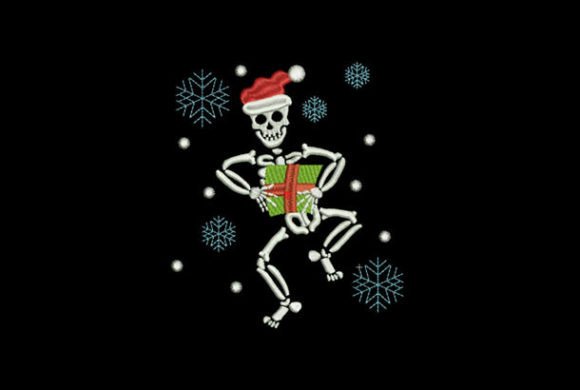
This isn’t a scary skeleton. It’s a lighthearted, dance-filled festive character that reads as whimsical and bold without losing the cozy Christmas vibe. The visual mood lands somewhere between trendy and nostalgic, making it an excellent choice for anyone who wants to offer custom apparel that feels like a statement piece rather than mass-market decor. Whether you sell on Etsy, run a small handmade business, or produce commercial embroidery products for local boutiques, a design like this can instantly elevate a garment.
First Impressions and Visual Personality
The Christmas Dancing Skeleton has a distinct decorative strength. It’s not overly detailed in a way that would muddy the stitching, but it carries enough charm to fill a chest placement on a sweatshirt or the back of a hoodie without feeling sparse. The pose suggests movement, which gives the design a sense of energy that works beautifully on cozy seasonal outfits. I’d describe its style as playful, slightly rustic, and undeniably cute—ideal for a brand that wants to mix holiday cheer with a bit of edge.
For younger audiences or anyone who loves alternative Christmas aesthetics, this design could become a signature motif. It’s not your typical red-and-green Santa, and that’s precisely its strength. When I imagine it stitched on a neutral sweatshirt in oatmeal or charcoal, the contrast feels premium and intentional. On pastel hoodies, it softens into something almost whimsical, while on dark garments it pops with a bold, graphic quality.
Placement Possibilities That Work
As a professional embroidery designer, I always test placement scenarios before committing to a full production run. Here’s where the Christmas Dancing Skeleton truly shines:
- Sweatshirt chest placement: classic left-chest or center-chest placement works beautifully. The design’s proportions feel right for a standard adult sweatshirt chest area, about 4 to 5 inches wide, though you’ll need to confirm the actual stitch file dimensions.
- Hoodie back design: scaled up, this could be a showstopper across the back of an oversized hoodie. The dancing pose fills the space naturally without awkward gaps.
- Sleeve accents: a smaller version on the forearm or upper sleeve of a denim jacket or long-sleeve tee adds a subtle, unexpected detail that catches the eye in lifestyle product photos.
- Tote bag focal point: the design would look equally at home on a canvas tote, giving a simple accessory a high-end boutique feel.
- Kids’ apparel: the playful skeleton character is perfect for children’s shirts, tiny hoodies, or even baby onesies, where the fun factor drives sales.
I can already picture the finished product styled in a flat-lay with dried orange slices and fairy lights, or on a model wearing a slouchy beanie. For Etsy sellers and small shop owners, this kind of design does half the marketing work for you because it’s so visually engaging.
How It Performs on Different Fabrics
Not every embroidery design handles every fabric well. Here’s what I’d consider before stitching the Christmas Dancing Skeleton onto real garments:
Fleece and sweatshirt material: these are generally forgiving. A medium-weight cutaway stabilizer will keep the design crisp without sinking into the nap. I’d test on a scrap first to see if the stitch density suits the fabric’s loft.
Stretchy fabrics: if you’re using a thinner hoodie or a ribbed cuff for a sleeve accent, the design may need extra stabilization. The last thing you want is distortion when the fabric stretches. Always test on a similar fabric swatch and check for puckering.
Dark garments: contrast is your best friend here. A skeleton design naturally leans toward white or light thread colors, which will pop on black, navy, or deep burgundy. But if the design includes darker thread elements, you may need to adjust thread colors to maintain visibility. I always review the thread color palette and do a test stitch-out on the exact garment color I plan to sell.
Curved surfaces: if you’re placing the design over a seam or near a pocket, think about how the embroidery file interacts with those curves. I’d avoid placing it directly over a thick seam, but a smooth chest area is ideal.
Practical Embroidery Designer Notes
Before you move this Christmas Dancing Skeleton design into production, here are the steps I’d recommend:
- Test on scrap fabric: always stitch out the design on a piece of fabric that matches your final garment’s weight and texture. This reveals any density issues or thread breaks.
- Check stabilizer choice: for sweatshirts, I usually use a cutaway stabilizer to ensure longevity through washes. For tote bags, a tear-away may work, but I’d still test first.
- Review thread color contrast: if the design has small details, ensure they don’t blend into the fabric. You might need to swap a grey thread for a softer silver or a brighter white depending on the garment color.
- Confirm hoop size: the Creative Fabrica product page should list the required hoop size. Don’t assume it fits your machine’s largest hoop without checking. If the design needs a larger hoop than you own, you may need to resize it, which can affect stitch density.
- Inspect stitch density: some designs are denser than others. A very dense stitch count on a lightweight hoodie can cause stiffness. The preview may give you a sense of this, but the test stitch is the only way to know for sure.
- Compare placement options: try a few different positions on the garment before stitching. Sometimes a slight shift to the left or up a few inches makes a huge difference in how the design reads on the body.
- Check Creative Fabrica product details and licensing: before you sell any finished apparel, make sure the commercial license allows for physical product sales. The product description says it comes with multiple embroidery file formats, which is great, but I’d still verify the specific formats included and whether they match your machine’s needs.
Adding Value to Your Boutique Brand
Using a design like Christmas Dancing Skeleton isn’t just about adding a festive touch—it’s about shaping your brand identity. When customers see a recognizable, consistent visual style across your shop, they start to trust your taste. A quirky skeleton dancing on a sweatshirt tells them you’re not copying every other holiday shop; you’re curating a vibe.
This kind of design can increase product recognition and customer engagement because it’s memorable. It also gives you a strong foundation for printable mockups and social media graphics. A well-lit photo of the embroidered sweatshirt, styled with a simple caption, can generate more interest than a generic holiday design. The whimsical factor encourages sharing, and for a small shop, that organic reach is invaluable.
When I think about building a cohesive collection, I’d pair this skeleton with a few understated pieces—maybe a minimalist snowflake on a beanie or a simple text design on a tote. The Christmas Dancing Skeleton becomes the hero piece that draws people in, and the supporting items round out the line. As a digital embroidery file, it’s easy to download and start testing immediately, which lets you prototype quickly and get your finished product in front of buyers sooner.
Where to Use the Design Carefully
Even the most charming design has its limits. Here are a few situations where I’d be extra cautious:
- Very small chest placements: if the design contains tiny details, shrinking it down too much can cause those details to lose definition or become too dense to stitch cleanly. I’d keep the size at least 3.5 inches wide to preserve the skeleton’s personality.
- Ribbed fabric or cuffs: the stretch in ribbed knits can distort the design, especially if it’s not digitized with that in mind. I’d avoid placing the skeleton directly on a ribbed hem or cuff unless you’ve tested it thoroughly.
- Areas that stretch or wrinkle: the underarm area of a hoodie or the side of a t-shirt can pull during wear. Stick to stable zones like the chest, upper back, or sleeve where the fabric doesn’t shift as much.
- Dense stitch areas: if the design has a lot of satin stitches or layered fills, it may get bulky on fleece. I’d choose a lighter stabilizer or adjust the design’s scaling if the sample feels too stiff.
Final Thoughts Before Production
As someone who’s built a small apparel line from scratch, I appreciate designs that make my job easier. The Christmas Dancing Skeleton from Creative Fabrica hits that sweet spot: it’s visually interesting, versatile enough for multiple products, and carries a mood that feels both festive and fashion-forward. Before you commit to a full run, though, always do your due diligence: test on scrap fabric, check the hoop size, verify the stitch density, and confirm the commercial license. Those steps protect your reputation and your bottom line.
If you’re planning a boutique sweatshirt collection, a holiday hoodie drop, or a set of handmade gifts, this embroidery design could be the fun, memorable element that sets your products apart. Just remember to respect the craft—test, adjust, and only sell what you’re proud to put your brand name on. The Christmas Dancing Skeleton has the potential to become a customer favorite, and with the right preparation, it can help your custom apparel business grow this season.