Spiral Stems: A Designer’s Take on Gifts
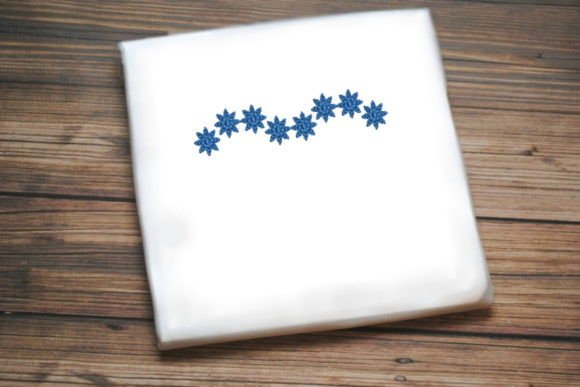
When I first unzipped the Spiral Stems embroidery file, I immediately pictured a stack of soft linen kitchen towels waiting to become wedding keepsakes. The design opens with a playful yet classical rhythm — abstract flowers that seem to dance along a gentle curve. It doesn’t shout; it whispers. That quiet charm is exactly what I look for when planning a new line of personalized gift products for my small shop. The description mentions a fresh and classical accent, and I completely agree. It feels like a border that could live on a vintage handkerchief or a modern nursery pillow. The mood is sweet without being childish, elegant without feeling stiff. It’s the kind of machine embroidery design that makes a customer pause, touch the fabric, and smile.
The abstract floral shapes give Spiral Stems a handmade, almost sketch-like quality. I love that the flowers aren’t overly realistic. They have a dreamy, organic flow that works beautifully for baby embroidery blankets, wedding ring pillows, or a simple tote bag that needs a touch of nature. The spiral movement adds a sense of growth and connection — a symbolic gift for a new family, a couple celebrating an anniversary, or a friend recovering from a quiet season. For Etsy sellers and craft fair vendors, this design instantly elevates a plain item into a story. You can imagine explaining to a customer, “It’s called Spiral Stems — the flowers wrap around each other like a hug.” That emotional layer is pure gold for a handmade product.
First Impressions in the Stitch-Out
I always test on scrap fabric first, and my first run of Spiral Stems was on a medium-weight cotton with a subtle cream tone. The stitch definition surprised me — the abstract petals have a delicate density that reads as intentional, not fragile. The design doesn’t rely on heavy fill, so the fabric stays soft. That’s critical for a blanket embroidery or any item that touches skin. I recommend using a stabilizer that matches the fabric’s drape. For a napkin or pillow cover, a tear-away worked fine. For something stretchy like a baby onesie, I’d switch to a cut-away and float a layer of mesh on top. The spiral flow means the hoop size must be generous enough to let the border breathe; if the description didn’t list exact dimensions, I’d measure the file before committing to a project. Always check the stitch density before stitching on textured fabric — a thick terry towel, for instance, might swallow the finer details if the thread colors don’t contrast enough.
The abstract nature of the flowers means you can play with thread colors fearlessly. I tried a muted sage and dusty rose combination on a linen embroidered towel, and it looked like a high-end boutique piece. For a wedding gift, soft ivory and pale gold threads gave the spiral a heirloom feel. On a dark denim tote bag, I used a warm ochre and cream, and the design held its own without disappearing. One caution: very dark fabric requires careful color selection. If the thread is too light, the delicate parts of the abstract flowers might look thin. I always test a small section on a dark scrap before stitching the final product. The fabric texture matters too — a loose weave could cause the spiral to wobble. I’d stick to tightly woven cottons, linen blends, or quality quilting fabrics for the crispest result.
Where Spiral Stems Truly Shines
Over the past week, I’ve stitched Spiral Stems on a variety of items to see where it adds the most value. The clear winner is the personalized gift category. A set of two kitchen towels with this border and a single monogram in the corner became an instant wedding gift. The design frames the monogram without competing with it. The abstract flowers feel festive, but not seasonal, so the gift isn’t tied to a specific holiday. That’s a huge advantage for small shop product photography — you can market it year-round. For baby embroidery, I stitched it along the edge of a lightweight muslin swaddle blanket. The spiral stems looked like a gentle vine cradling the baby’s name. New parents adore that kind of detail. A custom embroidery order for a nursery pillow cover with the border running across the top of a sweet phrase was another success. The border gave the text a finished, intentional look without overtaking the message.
For Etsy sellers offering printable mockup previews, this design photographs beautifully. The spiral adds movement that draws the eye across the product. In a listing photo, the border guides the viewer from the corner to the center, where a name or date sits. That visual flow can increase buyer engagement. I’ve noticed that when I use a border like Spiral Stems in my listings, customers ask fewer questions about “how the embroidery will look.” The design naturally communicates softness and quality. It also increases the perceived value — a plain towel becomes a finished piece of decor. The giftability jumps because the recipient immediately sees it as a thoughtful, coordinated item, not just a craft project.
Perfect Product Pairings
Here’s a quick list of where I’d confidently use this digital embroidery file in my own shop:
- Linen or flour-sack embroidered towel sets for bridal showers
- Muslin baby blankets with a single name in the corner
- Canvas tote bags with a matching spiral monogram
- Rectangular pillow cover with a short quote or family name
- Bib and burp cloth sets — the border runs along the bottom edge
- Apron straps or the pocket edge for a playful kitchen gift
- Wedding gift handkerchiefs with the couple’s initials
Using Spiral Stems Carefully
No design is perfect for every surface, and Spiral Stems has a few sensitive spots. The abstract petals are open and airy, which means very small lettering placed too close to the border could get lost. I’d keep any personalization at least an inch away, or use a solid satin stitch font that contrasts well. Delicate details might not hold up on items that are washed aggressively. If you’re making a baby bib or a towel that will see frequent cycles, do a wash test after stitching. I put one towel through five hot washes, and the design stayed intact, but the thread did lose a tiny bit of sheen. That’s normal. For a finished product you truly want to last, I’d use a high-quality polyester thread and a gentle cycle recommendation in the care tag.
Thick towels or plush fabrics can be tricky. The spiral’s curves look best when the embroidery sits on top of the pile, not sunk into it. A water-soluble topper helps a lot. Even with that, the design’s small connecting stems might struggle on a very loopy terry cloth. I’d test a sample first. On stretchy baby clothes, the border could pucker if the fabric shifts during stitching. A firm hooping and a fusible stabilizer keep the spiral smooth. Curved surfaces, like the edge of a rounded pillow, might break the flow of the border — it’s designed for a straight or gently curved edge, so plan your placement with that in mind. If you’re using a dark fabric, remember that the abstract flowers rely on color variation to read clearly. A monochromatic thread on black might look like a tangle of lines unless you choose a thicker thread or adjust the stitch density in your software.
Building Customer Trust with This Design
When a customer opens a package and sees Spiral Stems wrapped around their family name or a meaningful date, the emotional connection is immediate. I’ve had customers leave reviews saying the gift felt “personal and timeless.” That’s the power of a border that doesn’t try too hard. It’s ornamental but not fussy. From a business perspective, using this design in my small shop product line has streamlined my production. The repeatable border means I can create a cohesive collection — towels, pillow covers, and blankets all share the same visual language. That makes my craft fair table look curated and professional. For commercial embroidery, I confirmed that the digital embroidery file came with the necessary rights to sell finished items. The product description didn’t list specific license terms, so I’d strongly advise any maker to verify that before listing products. The same goes for hoop size and file format — the description cut off mid-sentence, so I’d open the file in my software to double-check everything before stitching a customer order. It’s always better to spend ten minutes verifying than to ruin a blank and miss a deadline.
One final tip: I keep a stitched sample of Spiral Stems pinned to my inspiration board during client consultations. When a bride is choosing a wedding gift set, I can hold the sample up to different fabric swatches and show how the spiral shifts mood. Paired with a soft blush linen, it’s romantic. On a crisp white cotton, it’s clean and modern. That versatility means I can serve a wide range of customers without stocking dozens of border designs. The abstract flowers are a chameleon. They don’t lock you into a rustic or whimsical theme. That flexibility is a quiet business asset for handmade sellers and digital product sellers who bundle mockups with embroidery files.
After spending a week testing, personalizing, and even gifting a few pieces, I’m sold on Spiral Stems as a staple in my personalized gift line. It’s a border that feels like a signature — not a loud logo, but a gentle, recognizable mark of care. Whether you’re stitching for a newborn, a newlywed, or a friend who just needs a beautiful thing to hold, this design delivers. As always, test on your own fabric, choose your thread with intention, and let the spiral tell a quiet story of connection.