Yellow Blue Flowers: A Designer’s Review for Branded Merch
As an embroidery designer who works daily with small businesses, I see a lot of floral machine embroidery designs. Most are pretty, but very few actually hold up under the demands of real merchandising—constant washing, repeated stitching, and the need to look sharp on everything from a tiny patch to a full apron front. When I examine the Yellow Blue Flowers design from the Bouquets category, I’m not just looking at petals. I’m asking: can this embroidery file become a reliable asset for a brand? Will it build recognition, handle production stress, and make a customer pick up a product? In this review, I’ll walk through exactly how Yellow Blue Flowers behaves in a business setting, from a designer’s perspective, and help you decide if it deserves a spot in your commercial embroidery lineup.
First Impressions and Visual Personality
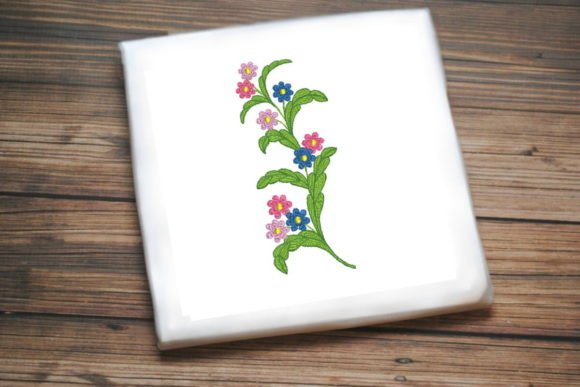
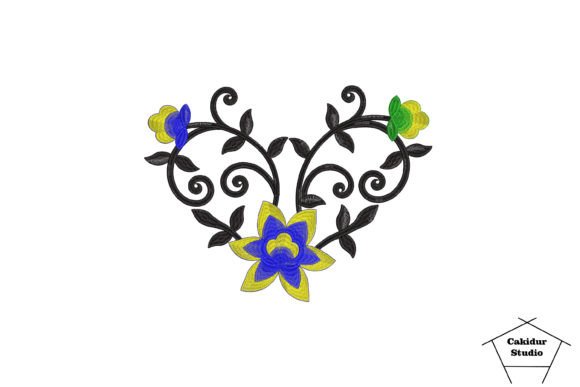
Right away, the title Yellow Blue Flowers tells me this is a cheerful, two-tone bouquet. The combination of yellow and blue is inherently optimistic—it reads as fresh, approachable, and slightly rustic. From the product description, I learn it’s described as “aesthetic floral embroidery,” which signals a modern, stylized look rather than a hyper-realistic botanical study. For a brand, that’s a huge advantage. An overly detailed design might look stunning on a wall hanging, but for small business merch, you need a motif that scales down effortlessly and keeps its personality. This design feels refined enough to sit on a boutique’s premium tote bag yet friendly enough for a café apron. The Bouquets category suggests a clustered arrangement, which usually means a balanced, rounded composition—perfect for badge-like patches or centered chest accents. The absence of text in the description is a plus; it keeps the design versatile and language-neutral. If I had to assign a brand personality to Yellow Blue Flowers, I’d say it leans toward the handmade, earthy, and welcoming side of the spectrum. It’s not overly corporate—it’s for a brand that wants to feel personal.
Business Use Cases: Where Yellow Blue Flowers Shines
I’ve digitized and tested thousands of floral embroidery files, and I evaluate every design against real-world use cases. Here’s where Yellow Blue Flowers could become a workhorse for your brand identity.
Embroidered Patches
As an embroidered patch, this design could be a signature accent on denim jackets, canvas backpacks, or caps. The yellow and blue contrast will pop against dark or neutral backgrounds. I’d recommend testing a 2.5-inch patch first—if the stitch density holds and the petals stay distinct, you’ve got a winner for customer loyalty patches or event merch.
Apron Embroidery
For a bakery, florist, or café, a small Yellow Blue Flowers motif on a bib apron or waist apron adds instant polish. The key is placement: a left-chest accent keeps it professional, while a larger version on the pocket region can become a talking point. Always test on the actual apron fabric—canvas can be unforgiving, so use a sharp needle and a heavy-duty cutaway stabilizer.
Cap Embroidery
Cap fronts are curved, and not all floral designs survive the distortion. Yellow Blue Flowers’ bouquet shape might work beautifully on the side panel of a cap or as a small front-center logo. I’d avoid using it on the very crown if the design is large; the central seam can disrupt the symmetry. Cap embroidery demands careful digitizing, but if you’ve purchased a well-digitized digital embroidery file, a test on a structured cap is a must.
Tote Bag Design
A tote bag design is often the first touchpoint a customer has with a brand. Whether you sell handmade goods at a market or ship orders in branded totes, Yellow Blue Flowers can turn a plain bag into a piece of keepsake packaging. I’d stitch it in the corner or centered near the bottom, allowing the open space to showcase the product. Canvas and cotton duck are excellent substrates—just be mindful of stretch and use a tacky stabilizer to prevent shifting.
Custom Apparel and Merchandise
The description mentions t-shirts, hoodies, pillow covers, and tablecloths. For a handmade product seller, this is a green light. I’ve put floral designs on knit hoodies before, and the key is a soft backing that won’t irritate skin. On pillow covers, Yellow Blue Flowers could become a signature decorative element that ties a product line together. For tablecloths, consider the thread’s colorfastness—blue and yellow on a light fabric will need proper washing tests to ensure no bleeding.
Caution Areas: When to Adjust the Design
No design is universally perfect, and Yellow Blue Flowers has some natural limitations that every small business merch creator should respect.
- Small patch sizes: If you try to shrink this design below 1.5 inches, the fine petal details may merge. Always do a stitch-out at the intended size before committing to a bulk run.
- Curved surfaces: Cap fronts and the tight corners of a tote bag can distort the bouquet’s symmetry. Use a patch template and test on the actual curved surface.
- High stitch density: A dense floral design can pucker on thin fabrics like lightweight t-shirts. If the stitch count is high, consider using a lighter underlay or request a lower-density version from the digitizer.
- Textured fabric: Terry cloth, waffle weave, or heavily textured canvas can swallow the yellow and blue thread colors. You may need to increase the emphasis on the outline or use a heavier stitch to maintain clarity.
- Dark uniforms: On navy or black shirts, yellow and blue can look dull without a white underlay. Verify that the file includes proper underlay specifications, or digitize your own.
- Frequent washing: For aprons and work shirts that get industrial laundering, stitch durability is critical. I’d run a test through 20 wash cycles to check for thread breaks and color fading.
The Brand Identity Impact of Yellow Blue Flowers
When you consistently use the same machine embroidery design across your products, you build visual memory. Yellow Blue Flowers can become a customer-facing signature—like a subtle logo alternative. I’ve seen small florists multiply their order value just by adding a small embroidered bouquet to every item. It signals care, attention to detail, and a cohesive brand identity. For an Etsy seller, a handmade product with a uniform floral accent feels more premium and intentional. The friendly, botanical vibe of this design increases trust: customers are drawn to brands that look approachable and warm. This isn’t a cold, corporate emblem—it’s a conversation starter. When you place it on a finished product, you’re effectively adding a layer of emotional value that can justify a higher price point. Even on printable mockup images, this design helps potential buyers instantly visualize the end product’s aesthetic.
Practical Designer Notes for Production
Before you invest in a bulk purchase of shirts or order 200 patches, here’s a checklist I follow every time I trial a new digital embroidery file like Yellow Blue Flowers.
- Test in black and white first: Print the design in grayscale. If the shapes and contrast still read well, you know the design relies on tonal strength, not just color, which is crucial for long-term branding.
- Review thread color contrast: Yellow and blue can clash if the shades are off. I’d sample a buttery yellow against a muted cornflower blue; you want enough contrast to pop, but not so much that it looks like a sports logo.
- Check spacing between elements: In a bouquet, petals and leaves can meld if the digitizer didn’t allow enough breathing room. Open the file in your embroidery software and inspect the stitch paths.
- Confirm hoop size: The description doesn’t list exact dimensions, so you must verify the design’s size before purchasing. It needs to fit your most common hoop—typically a 4x4 inch for small items.
- Test on real fabric: Don’t rely on a stabilizer test alone. Stitch on the exact garment you’ll sell, whether it’s a hoodie, canvas tote, or tablecloth. Note how the fabric grain affects the stitch appearance.
- Use proper stabilizer: For knits, a medium-weight cutaway is non-negotiable. For woven items like pillow covers, a tear-away with a light adhesive spray works. For terry cloth, a water-soluble topper is essential.
- Create a mockup for client approval: Even if you’re your own client, a printable mockup or a digital overlay on a product photo helps you see the design in context and avoid costly mistakes.
- Compare beside other design assets: Place Yellow Blue Flowers next to your logo, your tagline artwork, and any other design assets. It should feel like a harmonious extension of your brand, not a random add-on.
- Confirm commercial licensing: The product page says “This machine embroidery design comes with” and then cuts off. You must check if the file includes a commercial license for small business merch, or if it’s for personal use only. Never assume—always verify the licensing terms before you sell products with this design.
Final Verdict for Small Business Owners
After thoroughly evaluating Yellow Blue Flowers from a production-first perspective, I believe it holds strong potential for a wide range of commercial embroidery applications. Its cheerful, balanced bouquet composition works beautifully on aprons, tote bags, patches, and casual apparel. The yellow and blue palette is universally appealing, and the aesthetic floral style fits today’s handmade and botanical branding trends. However, I’d advise any maker to invest time in testing—especially at small sizes and on textured surfaces. Don’t skip the wash test, and never assume the digitizer has optimized it for your specific fabric. If you’re a florist, a bakery, a boutique owner, or a craft business looking for a signature machine embroidery design that feels personal and professional, Yellow Blue Flowers deserves a spot in your digital library. Just remember: the design is only as good as its execution. Take the extra steps, and your brand identity will bloom alongside every stitch.