Catfish Hunter River Fishing Catfishing: Craft Fair Review
First Glance: Rustic Charm Meets Riverbank Wit
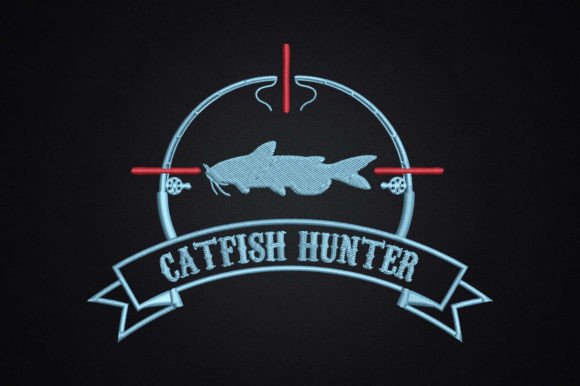
When I unzipped the digital folder and saw Catfish Hunter River Fishing Catfishing for the first time, the immediate vibe was pure, unapologetic outdoorsy fun. This is not a delicate floral or a trendy minimalist line drawing. It reads as a bold, slightly rugged statement piece that winks at anyone who has ever spent a lazy afternoon on a muddy riverbank. The concept feels like a classic trucker cap patch come to life—think worn leather, sun-bleached denim, and stories told around a campfire. For a craft fair booth, that kind of instant personality is gold. It stops the browser in their tracks, and that is exactly what you need when you are competing with a dozen other handmade tables.
From a design perspective, the title alone suggests a composition that probably blends a catfish silhouette with playful or nostalgic typography. If the embroidery file holds even a fraction of that swagger, it will fit squarely into the camping, fishing, and lodge decor niche that dominates many weekend markets. I could already picture it on a flour-sack tea towel hanging near a display of handmade soaps, or stitched onto a canvas tote bag slung over a shoulder. The mood is approachable, a little bit funny, and deeply rooted in the kind of rural Americana that sells reliably to both locals and tourists looking for a souveniritem that feels authentic.
Product Fit: Where the Design Truly Shines
After years of testing machine embroidery designs for live events, I have learned that a great digital file is only half the battle. The real question is how it translates onto finished products that people can touch, hold, and immediately imagine in their own lives. Catfish Hunter River Fishing Catfishing is a versatile player, but some substrates will make it sing louder than others.
Tote Bags and Market Bags
A sturdy canvas tote bag is the ideal canvas for this design. The large, flat surface allows the full stitch detail to breathe, and the combination of a rugged fish graphic with a cheeky phrase turns a simple carryall into a conversation starter. At a craft fair, I would hang three or four differently colored totes on a pegboard, each with the embroidery design centered prominently. Customers often pick up a tote first because it feels practical, and the catfish hunter theme gives them permission to smile. That emotional hook is what converts a looker into a buyer.
Aprons and Kitchen Towels
If you are targeting the home decor aisle, an apron or a tea towel becomes a surprise hit. On a heavyweight cotton apron, the design sits right over the chest, making it a perfect gift for the grill master or the backyard fish fry enthusiast. Tea towels, especially in a natural linen or oatmeal color, let the embroidery texture pop. I recommend pairing it with a simple striped border or leaving the towel plain so the stitch density and thread sheen become the star. For a fish fry-themed booth display, I would hang a towel with a wooden rolling pin and a vintage-style catfish print to create a mini storytelling vignette.
Caps and Curved Surfaces
This is where caution creeps in. A design that works beautifully on a flat tote can become a headache on a structured cap. The curve of a baseball hat demands precise placement, and if the file contains tiny lettering or extremely dense fill around the catfish whiskers, it may pucker or distort on the curved surface. I would test the machine embroidery design on an unstructured dad hat first, using a low-profile cap frame and a sharp needle. The key is to ensure the catfish’s expression and the text remain legible even when the wearer is moving. If the lettering is too small, it might turn into a muddy blob, so I always advise checking the minimum recommended size before committing to a batch of caps.
Patches and Small Accents
An embroidered patch is a craft fair staple. Separating the design into a standalone patch opens up a world of impulse buys: customers can iron it onto a jean jacket, sew it onto a backpack, or frame it as a tiny piece of art. Catfish Hunter River Fishing Catfishing has the kind of badge-like quality that begs to be a patch. I would hoop a firm stabilizer, create a merrowed edge or a satin-stitch border, and offer them in a small basket near the checkout. At five or six dollars each, patches move fast and often lead to larger purchases when the same customer spots the matching tote.
Pillow Covers and Home Decor
A lumbar pillow cover with this design centered on a textured fabric, like a burlap-linen blend, adds a rustic cabin feel to any sofa. The secret is to let the fabric texture peek through the open areas of the embroidery so it feels handmade and not overly stiff. I would avoid dark fabrics unless the thread colors are very high-contrast; a rich khaki, warm cream, or faded teal would let the catfish hunter motif stand out without drowning it.
Customer Attention and Booth Display Strategy
At a busy craft fair, you have roughly three seconds to catch a shopper’s eye. Catfish Hunter River Fishing Catfishing does something clever: it triggers a quick emotional recognition. The silhouette of a whiskered catfish is instantly identifiable, and the word “hunter” adds a playful, active twist. Women shopping for their husbands, men looking for a quirky gift, and kids who love fishing all gravitate toward this kind of imagery. In my booth, I would position the design at eye level on a central display—maybe a large canvas tote hung on a reclaimed wood ladder—so it acts as a beacon. The humor and outdoorsy theme also make it a natural for themed market events like fall festivals, boat shows, and holiday bazaars where guys are often difficult to shop for.
From a brand consistency standpoint, this design fits into a Camping and outdoor lifestyle collection. If you already sell s’mores-themed towels, mountain silhouette tees, or pine tree patches, adding a catfish piece rounds out the narrative. It tells a story of a weekend spent off the grid, and that cohesive mood encourages shoppers to buy multiple items for a complete gift set.
Practical Production Notes Before You Stitch
Before I commit any embroidery design to inventory, I run through a mental checklist that has saved me from rookie mistakes more times than I can count. Here is exactly what I would watch for with Catfish Hunter River Fishing Catfishing, based on the design’s likely character.
- Test on scrap fabric first. A simple cotton twill or duck cloth gives you a clean read on how the design lays down. Do not skip this; every machine and thread brand behaves differently.
- Thread contrast is everything. If the catfish body is filled with a dark brown, make sure the surrounding whiskers and background details are not the same shade. A few shades of difference prevent a muddy silhouette.
- Review spacing and tiny details. Look closely at the embroidery file preview. Are there whiskers that are one or two threads thick? Those can break or disappear on textured fabric. Consider deleting or simplifying anything that is too fine.
- Confirm hoop size. Without the exact specs from the provided description, I cannot assume a size. Always open the file in your software and check the dimensions. A design that fills a 4x4 hoop behaves differently than one that demands a 5x7 or larger.
- Inspect stitch density. Overly dense areas create a stiff, bulletproof patch that feels awful on a tee shirt. The catfish body might be dense, but it should still flex. Run a fingertip over the finished sample; if it feels like a board, reduce the density slightly in your editing software.
- Use the right stabilizer. For tote bags and towels, a medium-weight cutaway stabilizer is my go-to. For thinner tea towels, add a wash-away topping to prevent the stitches from sinking into the nap. For caps, a heavy tear-away with a cap-specific backing works best.
- Create at least one real mockup. A digital mockup is great for Etsy listings, but a physical sample on the exact fabric you plan to sell reveals how the stitch angles catch light, whether the design puckers after hooping, and how it feels to the touch. That sample becomes your truth-teller.
- Compare fabric colors. Stitch the design on a light oatmeal, a medium denim blue, and a deep forest green. Some colorways will cause the catfish to vanish; others will make it leap off the fabric. Document the winners so you can replicate them for batch production.
- Check the commercial licensing. Before you sell a single finished product, verify the terms from the digitizer. The product description mentions it comes with multiple embroidery file formats, but it does not explicitly state a commercial license. Always assume you need explicit permission to sell the stitched-out items at a craft fair, on Etsy, or in a small shop. A quick email to the designer can prevent a world of trouble.
Online Sales and Etsy Listing Potential
As an Etsy seller or small shop owner, you know that photography can make or break a listing. The bold, graphic nature of this design photographs beautifully. The catfish silhouette and text create a high-contrast focal point that works well on flat lays, styled scenes with fishing props, or even on a mannequin wearing a simple tee. I would use a printable mockup or a real staged photo of a tote bag leaning against a vintage tackle box to instantly communicate the outdoor vibe. The keywords “catfish hunter,” “fishing embroidery,” “river fishing gift,” and “camping decor” are all natural search terms that, when woven into the title, tags, and description, will help the right buyer find you.
One thing to keep in mind: if the design includes any small lettering, be sure to photograph a close-up that shows the crisp stitch quality. Buyers want to know the text will not be a blurry mess. A macro shot of the whiskers and lettering builds trust and reduces returns.
When to Be Careful: Potential Pitfalls
No machine embroidery design is perfect for every scenario. I want to be honest about where Catfish Hunter River Fishing Catfishing might stumble, so you can avoid those pitfalls before they cost you time and materials.
Textured towels with a heavy waffle weave or terry cloth loops can swallow the catfish whiskers and make the text look like a faded watermark. If you use a towel, opt for a flat-weave flour sack style or use a thick water-soluble topping to keep the stitches riding on top.
Dark fabric is a double-edged sword. A design that works on a light khaki tote might disappear on a black apron. If the digitizer used dark thread for the outline, you may need to change thread colors yourself or add a light underlay to keep the design visible. Always test before committing to a dozen black totes.
Small sizing is another risk. If you try to squeeze a highly detailed catfish and a multi-word phrase into a 2.5-inch patch, the details will close up. The embroidery file may have a minimum size recommendation; respect it. For caps, a slightly larger placement on the side or back can be more forgiving than the traditional front center.
Tiny details like the barbels (whiskers) and any fine inner lines need to be examined at actual size on fabric. In the editing software, zoom in and check for any stitches that are shorter than 1mm or float over a single thread. Those are the first to break or snag, and they can ruin an otherwise flawless product.
Finally, keep your thread colors limited and intentional. A realistic catfish might use a dozen shades of olive and brown, but a simpler palette often looks more handcrafted and stitches faster. I would lean into a vintage, slightly muted palette that matches the rustic theme—think dusty turquoise, burnt orange, aged brass, and a warm cream highlight.
Final Stitch Check: Is It Craft Fair Ready?
After all my testing and tweaking, I would confidently put Catfish Hunter River Fishing Catfishing on my craft fair table. It has the kind of personality that draws people in, the versatility to live on multiple product types, and a built-in customer base of fishing enthusiasts, cabin owners, and gift shoppers hunting for something with a little chuckle. The handmade product value is clear: this is not a generic fish you can find at a big box store. It feels like a small-batch, thoughtfully chosen embroidery design that turns a simple tote bag or tea towel into a keepsake.
For creative entrepreneurs running a booth, the key is to treat this design as a storyteller. Pair it with other Camping-themed items, use natural props, and let the design speak for itself. Keep a stitched sample visible at all times, and watch how many people smile, nod, and say, “My dad would love that.” That is the moment you know you have a winner.