Fishing Rod with Bait: A Designer’s Honest Review
When I first spotted the Fishing Rod with Bait embroidery design on Creative Fabrica, I’ll admit I was curious. As someone who stitches out dozens of machine embroidery designs every week, I’ve learned to spot the difference between a generic icon and a file with real artistic intention. The product description mentions that this design was inspired by the unusual and beautiful shape of the rod itself, and honestly, that’s what made me pause. Too many fishing-themed files are just clip art hastily converted to stitches. This one, however, promised something a little more thoughtful — a unique silhouette, a sense of motion, and a decorative appeal that could work across a wide range of handmade products. Before I’d even loaded it onto my machine, I was already mentally placing it on a deep green canvas tote bag, a weathered trucker cap, and a rustic kitchen towel. That’s the hallmark of a potentially versatile embroidery file.
First Impressions: The Art Behind the Design
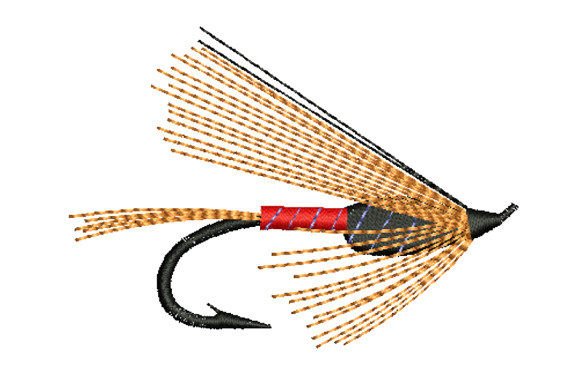
Opening the digital embroidery file, the first thing that struck me was the visual mood. The composition isn’t just a static rod; the bait element adds a subtle narrative. Depending on the final thread color choices, you can lean into a vintage, almost nostalgic feel or a crisp, modern outdoor vibe. The blending of satin stitch and fill stitch areas, if executed well by the digitizer, gives the piece a sense of depth without becoming overly dense. I imagined this as a custom apparel piece where the stitching itself becomes a conversation starter. The design’s personality is understated but confident — exactly what you want for a fishing team logo or a boutique camping brand. Because the description hints at use for a shop selling equipment, I could see it working beautifully on workwear aprons or tool roll-ups, too.
Project Potential: Where This Design Shines
Not every machine embroidery design translates well across surfaces. Some are too large for a baby blanket, others too delicate for a cap. With Fishing Rod with Bait, the elongated, horizontal shape immediately suggests a few natural fits. I’d outline the most promising project paths below, always keeping in mind how a customer would actually interact with the finished product.
Apparel and Accessories
This design is a standout for custom apparel meant to convey a laid-back, outdoorsy identity. Think unisex sweatshirts, zip-up hoodies, and long-sleeve tees. The rod’s line can follow the curve of a shoulder seam or sit neatly across the chest. On a structured cap, the curvature of the brim might challenge the horizontal layout, but placed on the front panel with a slight tilt, it could look dynamic. I’d also test it on a beanie — the vertical distortion might actually add a playful, hand-drawn feel. For an embroidered patch, the distinct outline makes it easy to trim and finish, giving you a premium accessory that craft fair shoppers love. Because the design likely relies on a few core thread colors, it’s economical to stitch in bulk, keeping your per-unit cost low for Etsy listings or boutique merchandise.
Home and Gift Items
Some of my best-selling handmade products have been unassuming items elevated by a single, well-placed embroidery. The fishing rod and bait motif turns a plain kitchen towel into a Father’s Day staple or a housewarming gift with personality. I’d pair it with a linen-blend fabric for a textured, rustic look. Pillow covers are another underrated canvas — imagine a row of these on a cabin porch bench. For nursery decor, maybe not the obvious choice, but a whimsical take with softer thread colors could charm a camping-themed baby room. The key is to present the design as part of a larger story, not just an isolated image. When you style it in a printable mockup, the scene sells the product before the customer even reads the listing.
Practical Embroidery Notes for a Flawless Stitch-Out
Here’s where my experience kicks in. A beautiful digital embroidery file is one thing; a clean stitch-out on a textured fabric is another. I always run a test on scrap fabric before committing to a final garment, and I’d recommend the same approach with Fishing Rod with Bait. Below are the specific areas I’d scrutinize.
Hoop Size and Placement Considerations
Since the product description doesn’t specify exact dimensions, I’d advise checking the Creative Fabrica product page for the hoop size and file format details. However, the elongated shape strongly suggests a larger hoop — at least 5x7 inches, possibly wider. If you’re working with a small hoop machine, you may need to split the design, but that could disrupt the flowing line. Measure twice before purchasing. Placement is also critical. On a sweatshirt, the design might register best around 3 inches below the collar. On a tote bag, I’d center it vertically and leave generous negative space around it so the shape breathes.
Fabric and Stabilizer Pairings
Fishermen don’t just fish on smooth cotton. Expect customers to want this on textured fabric like canvas, denim, or even moisture-wicking performance gear. For those surfaces, a cut-away stabilizer is non-negotiable. On stretchy fabric, an additional layer of wash-away topping prevents the stitches from sinking in. I learned this the hard way with a similar linear design that puckered on a fleece pullover. With dark fabrics, a light thread color may expose the underlay if the stitch density is too low, so test on a black swatch before a full run. The design’s success on curved cap surfaces will depend on how well it digitizes the small details — the bait’s hook, the line tension — so I’d run a dedicated cap test with the correct backing and a 270-degree hoop if possible.
Thread Color and Contrast
One of the joys of an embroidery file like this is its ability to shift mood with color. A monochromatic metallic silver on a navy apron reads high-end; a two-tone earth palette on an unbleached organic cotton tote screams artisanal. I’d probably avoid neon or overly bright combos for handmade product sales, simply because the fishing theme tends to attract buyers who prefer classic, muted tones. Always compare a light and dark fabric mockup before settling on your final offering. Sometimes the thread colors that look best on screen become muddy when stitched, so a physical stitch sample is worth the effort.
Building a Cohesive Brand with Niche Designs
If you’re a small business owner or Etsy seller, designs like Fishing Rod with Bait are more than just a single listing — they’re a gateway to a niche audience. The Camping category on Creative Fabrica is full of potential, but the fishing sub-niche has a loyal, gift-buying following. Pair this design with a coordinating trout, a reel, or a mountain silhouette, and you’ve got a mini collection that encourages multiple purchases. I’ve seen shops successfully build entire brand identities around outdoor embroidery, and the unique, slightly artistic take on a common object helps you stand out. The product description mentions use as a “fishing team logo,” which tells me the digitizer likely had durability and recognizability in mind. For apparel decorators serving local clubs or tournaments, that’s a huge selling point. Just make sure your commercial embroidery license covers the intended use — always check the latest terms on the Creative Fabrica embroidery page.
Pre-Sale Checklist: What to Verify Before You Sell
Before you photograph a finished item and list it, run through this mental checklist. I’ve saved myself from costly mistakes by being methodical.
- File details: Confirm the exact hoop size, stitch count, and formats included. The product description here cuts off, so don’t assume — verify.
- License: Ensure your intended use (personal, commercial, or print-on-demand) is covered by the Creative Fabrica license in effect at the time of download.
- Stitch density: On your test stitch-out, check for dense areas that might cause thread breaks or needle deflection. If the bait section is too compact, consider adjusting machine tension rather than the file itself.
- Small details: Look closely at the hook, the line, and any tiny lettering (if present). If the lettering is too small, it may not read well on textured surfaces, so plan your product photography to highlight the larger design elements.
- Washability: Run a finished product through a wash cycle to see how the satin stitch edges hold up. This is especially important for aprons or kitchen towels that will see frequent laundering.
- Stabilizer choice: Document your stabilizer combination for each fabric type so you can replicate results consistently.
Final Thoughts: Is It Worth the Download?
From an experienced embroidery designer’s perspective, Fishing Rod with Bait has the quiet confidence of a design that understands its audience. It doesn’t shout; it simply works. The artistic inspiration drawn from the rod’s shape gives it an edge over more literal, clip-art-style files, and the potential applications — from a personalized gift to a tote bag design to a sweatshirt embroidery staple — feel genuine, not forced. I’d recommend it for crafters who want to build a cohesive outdoor line, for apparel decorators serving niche clubs, and for anyone who appreciates the subtle beauty of a well-digitized, single-subject design.
That said, treat it like any digital embroidery file: test, test, test. Your first stitch-out is never the final product. Experiment with thread colors, stabilizer types, and fabric weights until you find the combination that makes the design feel truly yours. Once you’ve done that, you’ll have a product that not only looks professional but also carries a story — one that starts with the unusual shape of a fishing rod and ends with a delighted customer. For me, that’s the whole point of stitching.