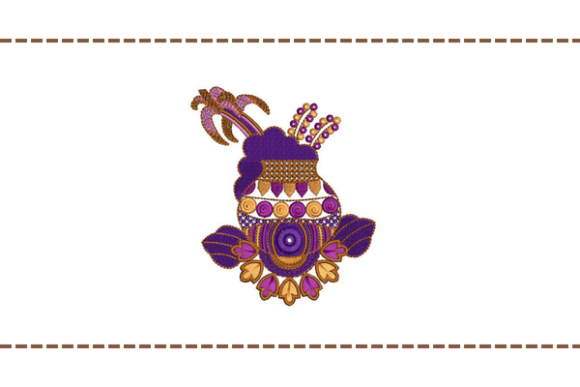
Creative Element: Cozy Embroidery Design for Craft Fairs
Whenever I evaluate a new machine embroidery design for a craft fair product lineup, I ask two questions: Will it catch a shopper's eye from six feet away? And can I stitch it cleanly, repeatedly, and profitably across the items I love to sell? Creative Element lands squarely in the sweet spot between soft, artistic charm and practical production. The description promises a cozy, artistic feel that works on pillows, bedsheets, clothes, and home decor, and that’s exactly the kind of versatility I want when I’m filling a booth with tea towels, tote bags, and small giftable pieces. The fact that it comes with multiple embroidery file formats is a huge plus—I don’t have to wrestle with conversions before I even start stitching.
This design belongs to the Wedding Designs category, but don’t let that box you in. In my experience, wedding-themed embroidery sells year-round if you position it right. Think bridal shower gifts, anniversary keepsakes, or simply a delicate, romantic motif that reads as elegant farmhouse or modern rustic. The cozy description tells me Creative Element likely has soft lines, gentle curves, or nature-inspired details rather than hard, corporate geometry. That’s a winning look for handmade market shoppers who want something that feels personal and warm.
First Impressions and Booth Display Potential
When I picture Creative Element on a craft fair table, I see it working best as a focal point on flat fabric surfaces. The words “artistic feel” suggest a design that has a hand-drawn or painterly quality—something that photographs beautifully and makes customers pause. I’d test it immediately on a set of decorative pillow covers in natural linen and soft cream cotton. A larger placement on the front of a 16×16-inch pillow cover would let the details breathe and show off the stitch definition. At a busy weekend market, a pillow displayed upright on a chair or layered on a crate draws hands and invites people to touch. That kind of engagement is exactly what you want.
For smaller items, I’d keep the design scaled down but still visible. A tea towel embroidered with Creative Element in a corner or centered near the hem could easily become a $18–$24 impulse buy, especially if you tie it with a ribbon or pair it with a wooden spoon. On a tote bag, I’d place it off-center or in a pocket area to create a modern, gallery-style look. The design’s wedding category also makes it a natural for keepsake pouches, ring bearer pillows, or even a patch stitched onto a satin hanger—all items that sell well at bridal-themed fairs.
Best Products for Craft Fair Success
Based on the cozy, artistic vibe, here’s where I’d take Creative Element first:
- Decorative pillow covers – Use a medium to large hoop, stitch on a solid cotton or linen blend, and let the design command the center. A removable cover feels more upscale and custom than a pre-made pillow.
- Kitchen tea towels – Flour sack cotton or waffle weave towels with a single accent placement. The design’s cozy feel pairs perfectly with rustic kitchen decor.
- Canvas tote bags – A large design on the front or a smaller one on a pocket. Shopper bags are my top sellers; customers love a practical, pretty bag that shows off handmade quality.
- Aprons – A bib apron with the design on the chest or a half apron with a corner motif. Bridal shower gifts, baker’s aprons, or hostess presents.
- Fabric pouches – Zipper pouches or drawstring bags in linen or cotton. These make excellent bridesmaid gifts or travel accessories.
- Embroidered patches – Stitch on felt or twill, then cut out and heat-seal for a trendy, add-on patch that can be applied to jackets, bags, or caps. This expands your reach to younger shoppers.
- Market bags and produce bags – Lightweight cotton or muslin bags with a small, delicate placement. The design gives a simple bag a handmade premium feel.
- Booth samples and gift sets – Create a coordinated group of items: a pillow, a towel, and a pouch all featuring Creative Element. This shows range and encourages bundled purchases.
For each product, I’d run a test stitch on scrap fabric first. Multiple file formats mean I can load the design into my machine without converting, but I still need to check that the stitch count and density are appropriate for the fabric I’m using. I’d stitch one sample on a scrap of the exact material I plan to sell, then wash it, iron it, and see how the threads hold up. That one step has saved me from unhappy customers more times than I can count.
Scale, Placement, and Visual Impact
One thing I’ve learned about craft fair embroidery is that size matters. A design that’s too small on a large tote bag looks like an afterthought. Too big on a tea towel and it overwhelms the fabric. Creative Element likely offers flexibility because the description suggests it’s meant for multiple surfaces. I’d test the design at two or three sizes: a 5×7 hoop version for towels and pouches, a 6×10 or 8×8 for pillows and aprons, and possibly a larger jumbo version for blanket corners or wall hangings. The key is to see how the details hold up. If the design has fine lines or tiny lettering, scaling down too much could cause thread breaks or blurring. I’d inspect the stitch file for dense fill areas and tiny satin columns that might pucker or disappear on textured fabrics.
On curved surfaces like caps or the brim of a hat, I’d be extra cautious. The wedding category hints that Creative Element might include delicate elements—floral swirls, filigree, or script. Those don’t always translate well to a domed cap surface unless the design is specially digitized for that shape. I’d stick to flat, stable surfaces for the cleanest results unless I’m absolutely sure the design is cap-friendly.
Production Notes and Stitch Quality
I always look at stitch density, underlay, and thread changes. A design with multiple thread colors can look stunning, but it also adds production time and material cost. For a craft fair, I want a design that stitches efficiently without sacrificing the “wow” factor. Creative Element might use a few complementary tones that create depth without constant rethreading. I’d test the recommended thread palette against the fabric I plan to sell. On dark fabric, like navy or charcoal, I’d swap in lighter thread colors or add a subtle outline to keep the design from fading into the background. On light fabric, I’d check that the cozy, artistic feel doesn’t get washed out by too-low contrast.
I’d also examine the stitch file for any areas that are overly dense. Thick, bulletproof fill on a lightweight cotton can cause tunneling, especially around small details. If I notice puckering on my test piece, I’ll adjust the stabilizer—using a cutaway instead of a tear-away, or adding a water-soluble topper on textured towels. Speaking of towels, towel embroidery is a beast of its own. The loops can swallow fine details, so I’d use a topper and pick a design size that stays bold. Creative Element’s description doesn’t mention specific stitch counts, so I’d rely on my own test sew-out to confirm the quality.
Color, Fabric, and Stabilizer Decisions
My go-to stabilizer for most flat items is a medium-weight cutaway. For towels, I add a water-soluble topper. For lightweight fabrics like linen or muslin, I might use a tear-away with a light spray adhesive to keep everything stable. I’d never skip the test stitch on the exact fabric I’m selling. The cozy, artistic feel of Creative Element probably shines on natural tones—oatmeal, soft white, sage green, dusty blue, or blush pink. Those are wedding-friendly but also fit the modern farmhouse trend that dominates craft fairs. I’d also try a monochromatic version with a single thread color, like all white on a natural linen, which gives a subtle, tone-on-tone elegance that photographs beautifully.
When I’m selling at a market, I like to offer a few color variations of the same design. It makes the table look cohesive and lets customers imagine the piece in their own home. I’d stitch Creative Element in a soft cream thread on a terracotta towel, then in a muted sage on a cream tote bag. The design’s name suggests it’s a foundational, flexible motif—maybe a cluster of botanical elements, a wreath, or an abstract design that adapts to the palette. That kind of adaptability is exactly what I need for batch production.
Photography and Online Selling
I’m not just selling at the fair; I’m also building an Etsy shop and small online presence. Creative Element needs to photograph well. I’d set up a flat lay with a finished pillow cover, a tea towel, and a pouch, using natural light and a neutral background. The design should be crisp enough that the texture of the stitches is visible even in a thumbnail. If I’m creating printable mockups for digital sales, I’d pair the design with lifestyle images that show it on a bed, draped over a chair, or tucked into a market bag. The wedding category helps me target seasonal keywords like “bridal shower gift,” “personalized wedding decor,” or “handmade keepsake,” but I’d also use broader terms like “cozy home embroidery” or “artistic tea towel” to attract everyday shoppers.
Because the description says it comes with multiple embroidery file formats, I can confidently list it in my digital embroidery file shop as well. I’d note that buyers should verify their machine compatibility, but the multiple formats cover most home machines. I’d also remind fellow sellers to confirm commercial licensing before selling finished products. The description doesn’t spell out the license terms, so I’d reach out to the designer or check the product page to make sure I can sell the embroidered items without restrictions. I never assume—it’s too risky.
Final Booth-Ready Advice
After testing and tweaking, here’s my plan for Creative Element at the next craft fair. I’ll produce a core set of twelve items: four pillow covers, four tea towels, two tote bags, and two zipper pouches. I’ll stitch them in two colorways—one neutral, one with a pop of soft color. I’ll display the pillows on a wooden bench, hang the towels on a rustic ladder, and place the bags on a table with price tags that clearly show the handmade value. I’ll also have a small sign that says “Each piece embroidered by me” to reinforce the personal touch.
For anyone considering Creative Element, I’d say start with a test stitch on scrap fabric. Check for thread breaks, examine the density, and see how the design looks at arm’s length. If it passes, you’ve got a design that can become a reliable seller in your handmade product line. It’s cozy, artistic, and flexible enough to adapt to multiple surfaces—exactly what you need when you’re building a booth that feels like a curated collection, not a random jumble. And with the wedding design category baked in, you can tap into the bridal market while still appealing to everyday shoppers who just want something beautiful for their home.
My final verdict: Creative Element is a smart addition to any embroidery business owner’s digital library. Whether you’re stitching for a craft fair, an Etsy shop, or a small boutique, it brings that handmade warmth and visual appeal that customers notice and remember. Just do your homework on hoop size, stabilizer, and fabric choices, and you’ll be ready to turn this design into a product that sells.