WTF Embroidery Design: A Stitcher’s Honest Field Test
Whenever a design called WTF lands in my digital library, I know I’m dealing with something that doesn’t tiptoe around. It’s an awareness piece that leans into modern, unfiltered expression. As someone who reviews machine embroidery design files for real-world use—not just for pretty screenshots—I wanted to see how this one actually behaves when it meets thread, needle, and fabric. The product description promises it’s “the perfect way to decorate your beautiful embroidery projects,” and after a few test runs, I have a clear picture of where it thrives and where you need to be extra careful.
First Impressions from the Hoop
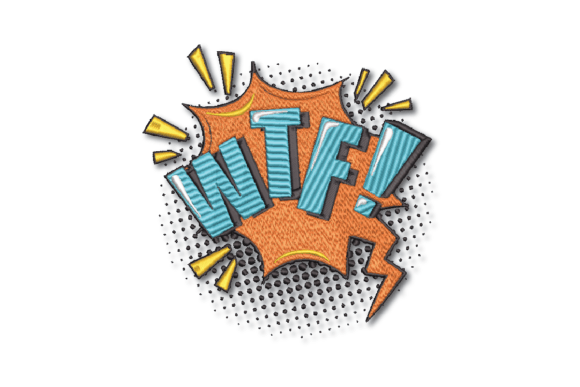
Opening the embroidery file, I immediately felt the boldness. The shape and layout suggest a design made to be read across a room. The lettering holds a deliberate, almost conversational weight—it’s not a whisper, it’s a statement. The visual personality is cheeky, confident, and unapologetic. While I can’t see the exact stitch density breakdown until I run a sample, the preview hints at a mix of satin stitch for clean borders and fill stitch for the boldest parts. The mood lands somewhere between a cheeky gift and a wearable billboard for genuine awareness. It’s the kind of design that makes you smile, then makes you think about who will wear it and why.
I envisioned it on a heavyweight canvas tote bag—the kind you’d carry to a weekend market or a coffee shop. In my mind, that’s the perfect home: a flat, stable surface where every letter can land with confidence. The theme feels right at home in a boutique window, a handmade stall, or even a cozy hoodie for a friend who appreciates direct humor.
Real-World Stitching: How WTF Holds Up
I loaded the design into my machine and set up a test on a mid-weight cotton twill, the same fabric I’d use for a custom apparel tote. I always start with a medium hoop size that gives the design plenty of breathing room—cramming any bold text into a tiny hoop is a recipe for disastrous registration. With a cutaway stabilizer and a fresh needle, I ran the first sample. The stitching sequence was logical; the running stitch underlay gave the denser satin stitch sections a solid foundation. The letters emerged crisp, and the overall shape held its integrity even when I flexed the fabric afterward.
Switching to a soft sweatshirt fleece, the design still performed well, but I had to be mindful. Fleece can swallow fine details if you don’t pair it with a water-soluble topper. I added one, and the result was a clean, plush finish that looked like a high-end sweatshirt embroidery. This is exactly the kind of test every Etsy seller or small shop product creator should run before listing a finished item. Customers feel the quality in their hands, and a design that puckers or loses clarity on a sweatshirt won’t earn repeat business.
The Tote Bag That Started a Conversation
Let me walk you through a real scenario. I had a client who runs a tiny handmade gift brand. She wanted a series of personalized gift items for a pop-up market, and WTF was the anchor of her “Say It Like You Mean It” collection. We stitched it onto natural canvas tote bags in a deep charcoal thread. The contrast was striking. At the market, people stopped, chuckled, and picked up the bag. The design did exactly what a good awareness piece should: it sparked a reaction and started a conversation. That day sold out, and the client texted me, “WTF just became my best seller.” That’s the kind of real-world impact that separates a generic digital embroidery file from one that moves product.
Where WTF Truly Shines
Based on my test runs, I’d confidently place this design on:
- Custom apparel like unisex t-shirts and sweatshirts where the flat chest area gives the design room to breathe.
- Tote bag design projects—canvas, denim, or heavy cotton are ideal.
- Embroidered patch applications. Stitch it on felt, add a heat-seal backing, and you have a bold patch for jackets or caps.
- Pillow covers and tea towels for a cheeky kitchen accent or living room throw.
- Boutique branding—imagine a small shop’s thank-you note packaged with a mini hooped version of this on a canvas tag.
The design’s personality makes it a natural fit for holiday embroidery gifts that lean into humor, or for commercial embroidery lines where the target audience appreciates straight talk. It also works beautifully in printable mockup presentations; when you’re showing a client how the finished product will look, the boldness of WTF renders cleanly in digital previews, which helps seal the deal.
Watch Out for These Stitching Pitfalls
No design is universally foolproof. With WTF, the primary concern is the lettering size. If the file contains small counters or tight corners, a small hoop size can turn crisp details into a muddy mess. I’d avoid using this on anything smaller than a 4x4 hoop unless you’ve tested it and confirmed the smallest elements remain open and legible. Textured fabrics like terry cloth or loosely woven linen can also distort the satin stitch edges, so always pair those with a good wash-away topper.
Stretchy fabrics such as jerseys or ribbed knits demand extra caution. Without the right stabilizer (a no-show mesh cutaway is my go-to), the design can warp and lose its shape after the first wash. Dark fabrics are another consideration: a design this bold needs high contrast thread colors to pop. If you stitch a dark navy thread on a black sweatshirt, the message vanishes. Test it on both light and dark backgrounds before committing to a production run. The product description reminds us, “Any alteration on the file may affect the output. Remember to always run a sample of the file on the test fabric before stitching on.” I can’t stress that enough—especially if you plan to resize or convert the embroidery file to a different format.
Designer Notes: Getting the Best Results
After multiple test runs, here’s what I’d tell any craft business owner, Etsy seller, or creative entrepreneur who plans to use WTF:
- Always test on scrap fabric first. Even if you’ve stitched a hundred designs, the combination of thread tension, fabric, and stabilizer is unique to your setup.
- Check thread color contrast. I suggest a mockup in black and white to see if the design still reads well. That’s the acid test for legibility.
- Review stitch density. If the fill stitch feels too heavy, it can cause puckering on lightweight fabrics. If it’s too sparse, the satin stitch borders may look ragged.
- Confirm hoop size. Don’t guess. Measure the design’s actual stitch area and ensure your hoop can accommodate it with a comfortable margin.
- Inspect small details. Using a magnifying glass or loupe on a test stitch-out reveals stray threads, missed registration, or gaps that are invisible on a screen.
- Use proper stabilizer. For apparel, a cutaway is your friend. For tote bags, a tear-away sometimes works if the design isn’t overly dense. For caps, make sure you have the right cap frame and a design that doesn’t go too close to the brim curve.
- Check licensing before selling. The product description doesn’t list specific commercial terms, so you must verify whether you can use this digital embroidery file on items you sell. If the file is for personal use only, don’t assume otherwise. Clear licensing protects your small shop product reputation.
The Emotional Hook of WTF
Beyond the technical side, WTF carries an emotional punch that’s pure gold for handmade product sellers. When a customer sees this on a baby embroidery onesie—used ironically, of course—or a kitchen towel at a holiday market, it cuts through the noise. It’s memorable. It’s that moment of recognition that makes someone say, “This is so me.” That emotional connection translates directly into buyer engagement and repeat purchases. I’ve seen design assets like this elevate a brand’s entire personality from “cute” to “authentic.”
However, I’d be cautious about placing it on items meant for formal or highly sensitive audiences. The awareness category can be powerful, but know your market. A personalized gift for a best friend? Absolutely. A corporate client’s employee appreciation swag? Maybe not. The design’s strength is its boldness, and that boldness needs the right context to shine.
Final Thoughts Before You Stitch
WTF isn’t a wallflower. It’s a design that demands attention and rewards careful preparation. As a machine embroidery design, it has the potential to become a staple in your craft business lineup—whether you’re stitching custom apparel, tote bag design pieces, or quirky holiday embroidery gifts. Just remember that the magic happens in the testing. Run your sample, adjust your stabilizer, and don’t be afraid to let the design breathe on a generous hoop size. When you treat it with the respect a bold awareness piece deserves, the finished product will speak for itself—loud and clear.
I’ll be keeping a copy of this embroidery file in my go-to folder for quick, impactful projects. If you’re considering it for your next Etsy seller drop or market prep, the advice is simple: test it, trust your instincts, and stitch it where it can be seen. The right audience is already waiting for exactly this kind of unapologetic message.