Raven Bek Plate Embroidery Design: A Hands-On Review
Last Tuesday, I sat down with a stack of natural linen tea towels, a spool of deep charcoal thread, and a freshly downloaded copy of Raven Bek Plate. My goal was simple: see if this design could carry a boutique kitchen linen collection I was prototyping for a local shop. By the third stitch-out, I had my answer. This is not a generic fish motif. It carries a peculiar, almost storybook personality that changes how you think about embroidered home goods and wearable art.
If you are an embroidery designer, a small business owner, or a maker who sells finished products at craft fairs or through Etsy, you know the difference between a design that merely stitches and one that actually sells a finished product. Raven Bek Plate belongs in the second category, but only if you understand what it wants to become. Let me walk you through what I discovered, stitch by stitch.
The First Look: What Raven Bek Plate Actually Feels Like
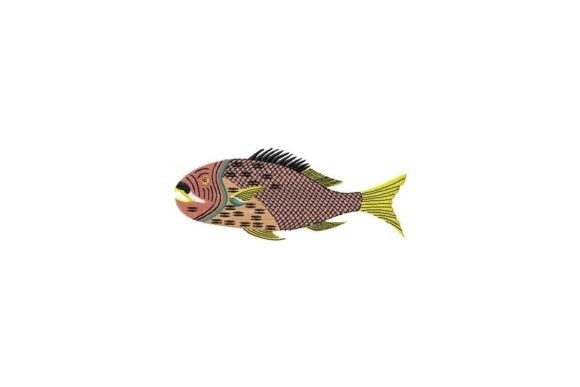
Before I ever loaded the embroidery file into my machine, I spent a few minutes studying the preview. The design is based on Louis Renard's fanciful fish collection, and that heritage shows immediately. This is not a lifelike trout or a sportfishing trophy piece. It has the hand-drawn whimsy of an 18th-century naturalist who may have exaggerated a fin or two for dramatic effect. The shape feels alive, almost theatrical, with flowing curves and ornamental details that give the fish a sense of motion even in a static embroidery project.
The mood it creates is somewhere between vintage curiosity and artistic statement. I could picture it on a heavyweight canvas tote bag, stitched in muted teal against oatmeal fabric, catching the eye of someone who appreciates odd, beautiful things. It would also hold its own on the back of a denim jacket, framed by simple running stitch borders, or centered on a square linen pillow cover for a coastal-themed living room that avoids cliché.
What struck me most was the sense of narrative baked into the design. This fish looks like it has a story. For a handmade product, that quality is gold. Customers connect with designs that feel intentional, not mass-produced. Raven Bek Plate gives you that advantage right out of the gate.
Stitching It Out: Real Fabric, Real Thread, Real Results
My first test run was on a midweight cotton canvas, the kind I use for custom tote bags and zip pouches. I chose a 40-weight polyester thread in a deep indigo, paired with a medium-weight cutaway stabilizer. The design stitched cleanly, with no alarming thread breaks or needle drag. The fill stitch areas covered evenly, and the satin stitch borders on the fin edges gave the piece a crisp, polished perimeter that would satisfy even a picky boutique buyer.
I then moved to a softer cotton-linen blend, similar to what you would use for a kitchen tea towel or a nursery pillow. Here, the design showed its versatility. The slightly looser weave of the fabric absorbed the stitching without puckering, and the finished embroidery had a soft, almost hand-embroidered look that leaned into the vintage source material. I could easily see this on a baby blanket or a child's keepsake garment, especially if you swapped the thread palette for something gentler, like sage green or dusty rose.
On a sweatshirt front panel, the design performed well but required extra attention to stabilizer choice. I used a fusible mesh on the back of the fleece, and the result was a smooth, professional finish without the sinking effect that plagues dense designs on knit fabrics. If you sell custom apparel or personalized gifts, this is a detail worth noting. The design's stitch density is substantial enough to feel premium but not so heavy that it turns a wearable garment into a stiff board.
Where This Design Truly Belongs
After testing across multiple substrates, I started mentally assigning Raven Bek Plate to specific product categories. The list came together quickly:
- Boutique tote bags and market totes where the design acts as a standalone focal point
- Linen tea towels and kitchen textiles for coastal or art-focused home décor collections
- Decorative pillow covers for sofas, reading nooks, and nursery seating areas
- Unisex sweatshirts and hoodies with a single, centered placement on the chest
- Fabric book covers and journal sleeves for stationery lovers
- Embroidered patches if you trim and finish the edges carefully
- Holiday gifts with a personalized twist, especially for anglers, marine biology enthusiasts, or art collectors
The design also works well as a digital embroidery file preview for Etsy listings and printable mockups. Its distinctive silhouette reads clearly even in thumbnail size, which helps with buyer engagement and click-through rates. When I mocked up a simple product listing image with the design on a cream tote bag, the visual appeal was immediate and strong.
Proceed With Care: Fabrics and Applications That Demand a Test Run
Not every surface invites this design gracefully. I learned this the hard way on a thin, slubby jersey that shifted under the needle and blurred the finer details around the fish's tail and ventral fins. If you plan to stitch on stretchy fabric, thin cotton, or loosely woven textiles, run a full test on scrap first. The design's delicate linework in certain areas will punish you for skipping proper stabilization.
Dark fabrics present another challenge. The fish's details rely on contrast and thread color clarity. On black or deep navy fabric, some of the subtler fill stitch areas may recede unless you choose lighter, high-contrast thread colors. I tested a charcoal-on-black version and found that the design lost some of its personality, though a bright metallic gold or silver thread brought it back to life beautifully.
Curved surfaces like caps and hats require careful hoop positioning. The fish's elongated shape means you need to align the design precisely along the cap's center seam, and the dense stitch areas near the head may fight against the curved substrate. It is not impossible, but I would not attempt it on a structured cap without a cap-specific hoop and a practice run. The same caution applies to small hoop sizes. If the design pushes the boundaries of your available stitching field, you risk registration issues at the edges of the fins.
For items that need frequent washing, like baby clothes or everyday kitchen towels, the design holds up well if you use quality thread and a secure backing. However, I always recommend a gentle wash cycle and air drying for embroidered products, especially those with dense satin stitch sections. The design's longevity in a finished product depends as much on your production choices as on the embroidery file itself.
How Raven Bek Plate Shapes Customer Perception and Brand Trust
When a customer picks up a handmade product with Raven Bek Plate stitched on it, they are not just seeing a fish. They are encountering a piece of art history filtered through modern machine embroidery. That matters for small business owners who rely on storytelling to differentiate their products. The Louis Renard connection gives you a conversation starter, a way to explain why your embroidered tote bag or holiday gift feels different from the mass-produced alternatives.
From a branding perspective, the design signals taste. It suggests that you, as a maker, care about source material, artistic lineage, and the emotional weight of a well-chosen motif. This builds customer trust and encourages repeat purchases. A buyer who loves a Raven Bek Plate pillow cover is likely to come back and ask what else you have that feels similarly unique.
The design's giftability is high. It reads as thoughtful rather than generic, which makes it a strong candidate for wedding gifts, housewarming presents, and personalized holiday items. I can easily imagine a pair of these stitched onto matching linen napkins for a couple who loves the ocean, or a single statement piece framed in an embroidery hoop as wall art for a nursery.
Practical Notes for Embroidery Designers and Sellers
Before you commit Raven Bek Plate to a production run or a client project, here are the steps I recommend taking, based on my own testing routine:
- Check thread color contrast on your intended fabric. What looks crisp on a white screen may blend into a beige linen or disappear on a heathered gray sweatshirt. Test at least two thread palettes before deciding.
- Review stitch density in the preview software. Look for areas where the fill stitch might feel too heavy for lightweight fabrics, and consider whether you need to adjust density settings if your software allows it.
- Confirm the hoop size requirement. Do not guess. Measure the design's dimensions in your embroidery software and ensure your machine's hoop can accommodate the full stitching field without crowding the edges.
- Inspect small details at full scale. Zoom in on the eye, the fin rays, and any delicate linework. These details define the design's personality, and you want to be sure they will read clearly in thread.
- Test on both light and dark fabric backgrounds. The design's visual impact shifts dramatically depending on the substrate. Know which version you prefer before you photograph products for your shop.
- Use the right stabilizer for your fabric type. Cutaway for knits, tear-away for wovens, and a topper for textured or napped fabrics like fleece or terry cloth.
- Verify licensing terms before selling finished items or digital products. Since the design references historical artwork, confirm that the embroidery file you purchased includes commercial use rights if you plan to sell finished products or include the design in a craft business catalog.
I also recommend creating a black-and-white mockup of the stitched design for your own records. This stripped-down view helps you assess the composition without the distraction of color, which is useful when you are deciding placement on a garment or a home textile product.
Final Thoughts From the Worktable
Raven Bek Plate is not a design you rush. It asks for a thoughtful fabric choice, a steady hand with stabilizer, and a clear vision of the finished product. In return, it delivers a finished embroidery piece that feels like a small work of art rather than a simple decorative motif. The Louis Renard influence gives it a soul that many fish embroidery designs lack, and that soul translates directly into product value, customer engagement, and brand differentiation.
For the embroidery designer who wants to elevate a handmade product line, this design is a strong addition to your digital embroidery file library. For the Etsy seller or small shop owner looking for a signature piece that sparks conversation and repeat sales, it is worth every stitch. Just remember to test thoroughly, choose your fabrics with intention, and let the design's natural whimsy guide your creative decisions.
If you treat Raven Bek Plate as a design asset with genuine artistic weight, rather than a quick fill for a blank tote bag, you will end up with a finished product that customers pick up, smile at, and carry home without hesitation.