Giraffe Boy Embroidery Design: An Honest Hands-On Review
I recently downloaded the Giraffe Boy machine embroidery design from Creative Fabrica for a custom baby gift order. As someone who stitches for small businesses, Etsy shops, and craft fairs, I evaluate every digital embroidery file with a critical eye. This cute giraffe, part of the site’s Baby Animals collection, immediately caught my attention. Here’s how it held up from the embroidery software preview all the way to the finished product.
First Impressions and Visual Mood
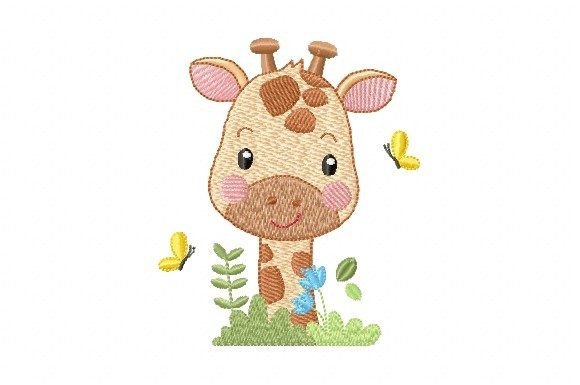
Opening the embroidery file, I was greeted by a genuinely cheerful character. The Giraffe Boy has a friendly, slightly whimsical face—large eyes, a tiny smile, and those endearing little ossicones (horn-like bumps) on top. The visual mood is playful without being chaotic, making it versatile for both baby items and everyday accessories. The design leans on a mix of satin stitch outlines and fill stitch areas that give the giraffe a soft, plush appearance. Color separation is clear, and the thread changes are logical, which saves time on multi-needle machines.
For a Creative Fabrica embroidery find, the digitizing felt thoughtful. The satin stitch borders are wide enough to prevent gaps on slightly textured fabrics, yet not so dense that they cause puckering on lightweight cotton. I loaded the file into my software to check the stitch sequence, and the traveling stitches were minimal, reducing trimming time. The playful expression of the Giraffe Boy design instantly made me think of nursery decor, boutique clothing, and personalized tote bags for little ones.
Finding the Right Project Fit
Not every embroidery design works for the same project. The Giraffe Boy motif naturally suits a range of handmade products. I envisioned it on a set of organic cotton baby onesies, a soft pillow cover for a child’s reading nook, and a cheerful kitchen towel for a baby shower gift. Because the character is compact and self-contained, it also works beautifully as an embroidered patch or a small accent on a cap.
Here are a few project ideas where this design truly shines:
- Baby blankets and swaddles – the gentle expression adds warmth without overwhelming the fabric.
- Custom apparel – stitched on a sweatshirt or t-shirt, it becomes a sweet focal point.
- Tote bag design – perfect for library bags or party favors.
- Kitchen towels – a fun, unexpected detail for a safari-themed kitchen.
- Pillow covers – turns a plain cushion into nursery art.
- Patches – sew-on or iron-on patches for jackets, backpacks, or hats.
I used the Giraffe Boy on a toddler apron for a craft fair, and it stopped people in their tracks. The design’s personality added perceived value, and customers were more willing to pay a premium for that extra touch. For Etsy listings and boutique merchandise, designs like this can elevate a simple blank into a handmade product that feels curated and intentional.
Performance on Different Fabrics and Products
To write an honest review, I tested the Giraffe Boy machine embroidery design on several surfaces. This is where many designs either shine or fall apart. Here’s how it handled.
Cotton Basics and Baby Items
On a high-quality cotton onesie and a woven cotton tote, the results were excellent. I used a medium-weight cutaway stabilizer and a water-soluble topper for the tote’s slightly napped surface. The satin stitch outlines remained crisp, and the fill stitch areas stitched with a nice, even density. Even the tiny details—the giraffe’s spots and the little tuft of hair—came out clean. The thread colors I chose (a warm golden yellow for the body, soft brown for the spots, and a peachy beige muzzle) matched the cheerful mood, but I’d recommend testing thread contrasts on a scrap piece first.
For baby items that get washed frequently, the stitch density felt balanced. It didn’t create a stiff, cardboard-like patch, and after three washes, the design showed no signs of thread breakage. That’s a must for any handmade product intended for children.
Textured and Stretchy Surfaces
Stretchy fabrics like sweatshirt fleece can be unforgiving. I stitched the Giraffe Boy on a mid-weight sweatshirt with a layer of fusible polymesh stabilizer and a floating cutaway underneath. The design held its shape well, with no significant distortion around the satin borders. However, the tiny pupil details in the eyes are a high-density area that could pull on ultralight jersey. I suggest increasing the stabilizer support and, if your machine allows, slightly reducing the speed on that section. On a curved cap surface, I had to careful hoop the cap with a cap frame and use a basting stitch to keep the front panel flat. The design’s compact size made it possible, but I’d recommend a test run on a similarly curved scrap before committing to a customer’s order.
Dark Fabrics and Cap Applications
Dark fabrics present a challenge: any small gaps in the stitching become glaringly obvious. The Giraffe Boy design’s fill stitches are dense enough that I didn’t see any pinpricks of the background fabric when stitched on a black tote. Still, I always advise checking the stitch density in your software and, if needed, adding a light underlay or an extra layer of stabilizer. For a cap, I used a thin tear-away stabilizer and a topper, and the result was clean, though the curved bill meant I had to be extra precise with the placement. As a commercial embroidery product, this design is ready for dark apparel, but test first.
Impact on Product Value and Buyer Trust
Adding a design like Giraffe Boy to a plain item can transform it into a personalized gift that feels bespoke. In my experience, customers perceive machine-embroidered goods as higher quality, and a cute, well-stitched character builds instant connection. For boutique merchandise, this design’s charm can command a 30–50% price increase over a blank version. My small-scale test: a simple white tote sold for $12, but the same tote with the Giraffe Boy sold for $18 at a craft fair. The visual appeal and the children’s theme made it a magnet for parents and gift-buyers.
From a branding perspective, using consistent, high-quality designs like this one across your Etsy listings builds trust. Buyers recognize the care you put into each stitch. For product photography, the design’s clear outlines and bright character make it pop on a plain background, which is gold for online listings. I also create printable mockups using the stitched piece, and the Giraffe Boy design photographs beautifully, even on a cell phone.
Practical Stitching Notes for a Flawless Finish
Before you stitch the Giraffe Boy design on a final product, here are the steps I take to guarantee a professional result:
- Review the digital file in your software. Confirm the hoop size requirement and check the stitch density for any unexpected overly dense areas. The Creative Fabrica product page will list the exact dimensions, so always cross-check.
- Test on a similar fabric scrap. This is non-negotiable. I test on the exact fabric I’ll be using, with the same stabilizer setup, to see how the running stitch underlay and final stitches behave.
- Choose thread colors that contrast well. The giraffe’s spots and muzzle details need to stand out. A light beige on a white background might wash out, so consider a slightly darker tone for the outline if using pastel fabrics.
- Use the correct stabilizer. For woven cotton, a medium cutaway is my go-to. For knits, a no-show mesh or polymesh cutaway prevents stretching. On high-pile fabrics like towels, add a water-soluble topper to keep the stitches from sinking in.
- Inspect small details after stitching. The eyes and the tiny tail tuft are the most delicate parts. Use a magnifying glass if needed, and check for any skipped stitches before you gift or ship the item.
- Confirm file details and licensing. Before selling finished products, always visit the Creative Fabrica product page and verify the commercial embroidery terms. The license may allow sales on physical items, but you need to be sure.
- Optimize for washability. I always pre-wash the fabric, and after embroidery, I wash the finished item once to check for any color bleeding or thread loosening. The Giraffe Boy passed this test, but it’s a good practice for any machine embroidery design.
I also recommend keeping a stitch-out sample on a neutral background. This can serve as a design asset for your social media or as a printable mockup to show customers the texture and scale before they order.
Final Thoughts on Using Giraffe Boy in Your Business
The Giraffe Boy embroidery file is a charming, well-digitized addition to any creative entrepreneur’s library. It fills a sweet spot for baby animals designs that are cute without being overly fussy. Whether you’re making custom apparel, tote bag designs, or nursery decor, this design delivers consistent, professional results when you follow basic embroidery best practices.
As with any digital embroidery file from a marketplace, the key is preparation. Test thoroughly, choose the right stabilizer, and always double-check the Creative Fabrica product page for updated file details. Under the Embroidery category, this Giraffe Boy stands out for its personality and stitch precision. It’s a small investment that can bring a large return in customer smiles and product sales—and for a handmade business, that’s exactly what matters.