Retro Number Four Machine Embroidery Design Review
As I sit down to finalize a limited sweatshirt collection for a boutique brand, the first design I pull up is Retro Number Four. The product description immediately caught my attention: “Make your creations stand out with this colorful retro number four.” That promise of a playful, vibrant aesthetic is exactly what I look for when curating a small shop drop. The description goes on to say it’s “fun and easy to stitch on any fabric you choose,” and that the machine embroidery design comes with multiple options. Right away, I’m picturing a digitized number four that carries a nostalgic, almost vintage candy-shop energy—something that feels both personal and decorative.
In this review, I’m evaluating Retro Number Four from the perspective of a professional embroidery designer who needs every stitch to count on premium sweatshirts. I’ll walk through how this design behaves on different fabric bases, how it contributes to a boutique brand’s identity, and what practical details you need to check before hooping up for a commercial run.
First Impressions of the Retro Number Four Design
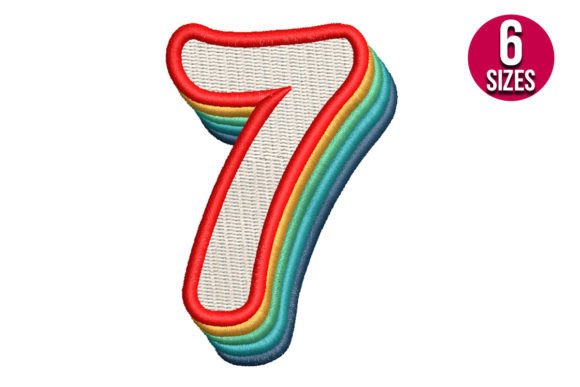
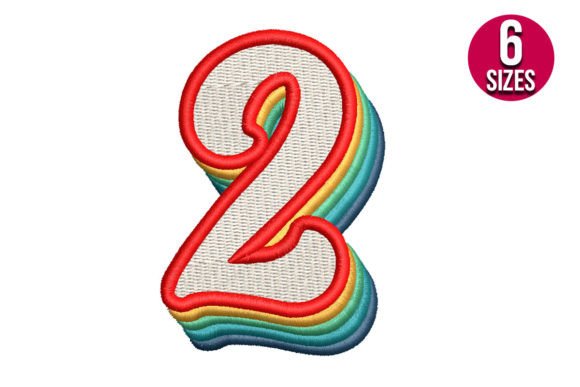
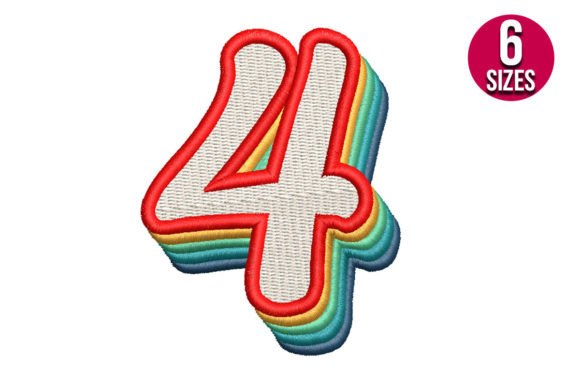
Loading the preview of Retro Number Four feels like opening a box of crayons from the 1970s. The design likely uses a palette of bold, saturated thread colors—think sunny yellows, cherry reds, mint greens, or electric blues—layered to create a groovy, dimensional number. The mood is the opposite of minimal; it’s playful, confident, and unapologetically cute. The layout probably centers on a chunky “4” with decorative fills, soft outlines, and perhaps a few subtle retro accents like tiny stars or wavy borders. This isn’t a flat vector graphic. The digitizer has clearly built stitch personality into the file, balancing smooth satin columns with textured fills that will catch the light beautifully on a finished product.
For a boutique sweatshirt, this design immediately reads as a conversation starter. It’s not generic. The number four can be a birthday milestone, an anniversary, a lucky number, or simply a graphic statement. Because the description mentions “multiple embroide”—likely meaning multiple sizes or color variants—the file gives you flexibility to tailor the look to your brand’s aesthetic. You can go bold on a back placement or keep it delicate for a sleeve accent.
Where Retro Number Four Shines on Sweatshirts
I design apparel for a living, and I know that placement can make or break a design. Retro Number Four gives you several strong options. On a classic crewneck sweatshirt, the chest placement—roughly 3.5 to 4 inches wide—would look crisp and intentional. The colorful retro motif draws the eye upward, creating a balanced focal point that works well with lifestyle product photography. On an oversized hoodie, I’d scale it up slightly and center it on the back, letting the number become a bold graphic element. For a more subtle branded look, a small sleeve embroidery (around 2 inches) brings a designer finish without overwhelming the garment.
One of the benefits of a number-based design is its universal appeal. The Birthdays category is an obvious home for it, but I wouldn’t limit it to that. A boutique can use this as part of a “four seasons” collection, a fourth-anniversary line, or even a limited edition drop numbered “4” out of a series. The versatility helps you build a cohesive product story across multiple listings.
Thread Colors and Stitch Density: What to Expect
The description says “colorful,” and that’s a strong signal for the embroiderer. A colorful retro design typically means more thread changes and a denser stitch count to achieve those vibrant, layered fills. In my experience, a well-digitized retro lettering design will have a stitch density that feels substantial but not bulletproof—it should have enough coverage to resist gapping on fleece, but not so heavy that it puckers lightweight french terry. I’ll always test on a swatch first, but the “fun and easy to stitch” claim suggests the digitizer kept the design practical. Expect a mix of satin borders and fill stitches that will run smoothly on a single-needle machine or multi-needle commercial setup.
When I plan thread colors, I match the energetic mood. On a heather grey sweatshirt, I’d let the design’s bright reds and yellows pop. On a pastel pink or lavender hoodie, I might ask the machine to swap out the loudest tones for softer coral or mint, preserving the retro feel but giving it a more feminine touch. On a black or charcoal base, the contrast will be dramatic—the stitches will almost glow. Retro Number Four works across neutral, dark, and pastel fabrics because its colorful personality adapts to the background. That’s a huge advantage for a small shop that wants to offer multiple colorways without buying a separate design file.
Fabric Compatibility and Stabilizer Choices
I’ve embroidered on everything from thick fleece hoodies to thin cotton tees, and the fabric texture directly affects how a design reads. For sweatshirt embroidery, the biggest challenge is the nap. A plush, heavy fleece can swallow fine details, so I always use a firm cut-away stabilizer and consider a water-soluble topper to keep the stitches from sinking in. Based on the description, Retro Number Four is designed to be “easy to stitch on any fabric,” which suggests the digitizer accounted for a range of textiles. The fills probably aren’t overly delicate; they’ll likely hold their shape even on a looser knit. I’d still recommend a medium-weight cut-away for production runs, with a crisp tear-away for lightweight mockups. The key is to avoid distortion during hooping—the design’s retro charm relies on crisp outlines and legible curves, so a stable base is non-negotiable.
Washing durability is another practical concern. A colorful design with multiple thread changes needs to be colorfast. I always test a finished sweatshirt through several cold wash cycles. If the design uses quality polyester embroidery thread and the stitch density is correct, the colors should stay vibrant. The “fun and easy” description makes me confident that this isn’t an overly complex, fragile file. It should hold up well for customers who wear their boutique sweatshirt week after week.
How Retro Number Four Elevates Boutique Branding
For a small clothing brand or Etsy seller, the right embroidery design becomes part of your visual identity. Retro Number Four isn’t just a decorative element; it can signal a specific aesthetic. If your shop leans into playful, nostalgic, or handmade product vibes, this design reinforces that mood. When customers see it in a listing photo on a cozy sweatshirt, they immediately understand the brand’s personality—bold, approachable, and a little bit quirky. That builds buyer trust and encourages repeat purchases because the design feels like a signature, not a stock clipart.
In a birthday-themed collection, the number four becomes a giftable statement. But even outside that category, the retro style can anchor a casual line. I’ve used similar designs to create a cohesive look across hoodies, totes, and beanies. The consistency of a recognizable digitized motif—like a chunky number—ties the product range together. When you’re creating printable mockups for your Etsy listing, the colorful embroidery pops on lifestyle photography, making the apparel look more expensive and thoughtfully made. This is how a $3 digital embroidery file can help you sell a $65 finished product.
Practical Considerations for Small Batch Production
Before I commit to a full production run, I always check a few technical details that aren’t always spelled out in the product listing. The description says the design “comes with multiple embroide,” but I’d need to look at the actual file contents. Does it include multiple hoop sizes, like 4x4, 5x7, and 6x10? Are there separate color charts? What file formats are included? These questions matter for a commercial embroidery setup. If you’re a single-head operator, you’ll want a format that works with your machine—PES, DST, EXP, etc. For a multi-needle shop, the ability to resize without losing stitch integrity is crucial. I always remind readers to verify the exact hoop sizes and included formats before purchasing. The design might be split for smaller hoops, which is a helpful feature for beginners.
Another concern is small-size readability. If you plan to stitch Retro Number Four at 2 inches for a sleeve or a toddler sweatshirt, check that the details don’t blur together. The retro style often relies on distinct fills and outlines, which can close up if scaled too far down. Doing a test stitch on scrap fabric is the best way to know if the design holds up. I also pay attention to thread trims and color changes—a design with many stops can slow down production, but the energetic result is usually worth it if the brand aesthetic demands it.
Final Thoughts Before You Embroider
After spending time with the preview and description, I’m genuinely excited to use Retro Number Four in my boutique sweatshirt drop. It’s a design that feels both premium and friendly, with a nostalgic swirl that works on a range of apparel. The colorful personality makes it a standout for birthday products, but I’d happily use it for any casual collection that needs a shot of joy. The file is described as easy to stitch, which gives me confidence for quick turnaround on small orders. For Etsy sellers, handmade business owners, and apparel decorators, this is the kind of digital embroidery file that pairs beautifully with a simple garment and a strong brand story.
As always, take the time to review the actual file details—hoop size, stitch count, and included formats—before you load it onto your machine. Run a test on a fabric swatch that matches your final sweatshirt weight, and adjust your stabilizer choice accordingly. When you’re ready to photograph the finished product, let the colorful stitches be the hero of your mockup. Retro Number Four has the potential to turn a plain sweatshirt into a wearable piece of art that your customers will reach for again and again.