Retro Number Two: A Designer’s Review for Seasonal Gifts
First Impressions: Nostalgia Meets Playful Charm
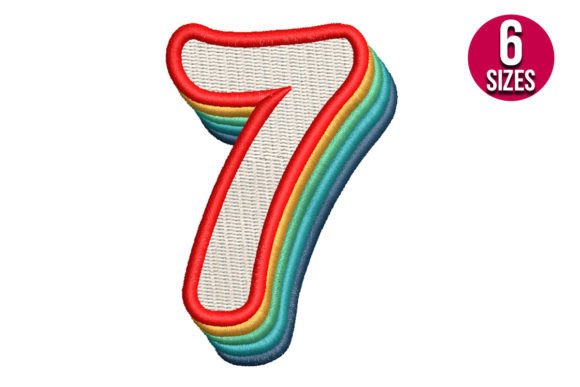
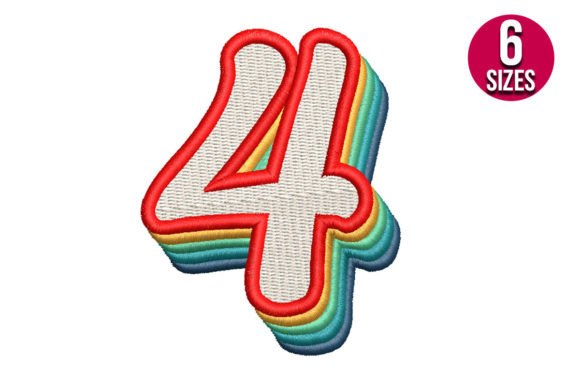
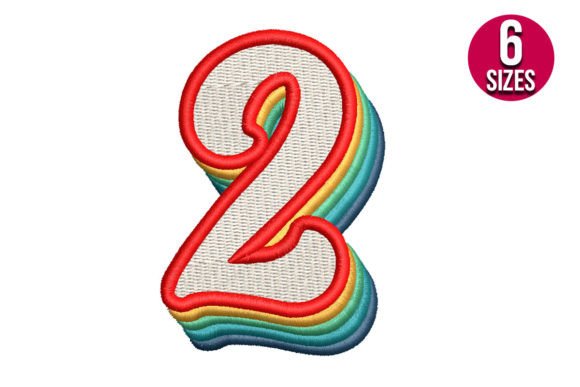
When I first opened the Retro Number Two embroidery file, I immediately felt a wave of cozy nostalgia. The design has a gentle, old-school vibe that feels pulled from a vintage storybook or a 1950s birthday card. Its cute, slightly whimsical shape makes the number two read as both celebratory and deeply personal. This isn't a stiff, generic digit — it carries emotion. For a machine embroidery design meant to sit at the heart of a holiday or birthday gift, that emotional tone is pure gold. The decorative style leans toward playful and charming, with just enough detail to feel special without becoming cluttered. I can instantly picture it stitched in soft pastels for a baby’s second Christmas, or in metallic gold for a milestone anniversary. The Retro Number Two gives you a versatile canvas that adapts to romantic, rustic, or even modern holiday aesthetics depending on your thread choices and fabric. It’s the kind of design that makes a finished product feel like a keepsake, not just another decorated item.
Seasonal Selling Potential: From Birthday Parties to Holiday Bundles
For anyone building a seasonal shop collection — whether you’re an Etsy seller, a craft fair vendor, or a small shop owner planning limited-edition drops — the Retro Number Two offers remarkable flexibility. It shines in birthday-themed collections, obviously, but its real power lies in crossover appeal. Think about the second day of a holiday countdown, a “two years together” anniversary gift, a child’s second Halloween, or a twin set for a family reunion. During the holiday rush, buyers are hunting for personalized gifts that feel intentional. A sweatshirt with this retro two embroidered on the chest, paired with a name or a tiny heart, becomes an instant family favorite. I’ve used similar designs in holiday bundles — kitchen towels with the number two alongside winter greenery for a “2nd Christmas in Our Home” theme, or a tote bag for a toddler’s second birthday that doubles as a trick-or-treat carrier. The design’s sentimental weight increases the perceived value of your product, making it easy to price for profit while still feeling like a deal to the customer. For social media previews, this design photographs beautifully on pillow covers or baby blankets, especially when you stage it with seasonal props like pinecones or confetti. It’s a natural fit for printable mockups, too, letting you promote your holiday embroidery collection before you even stitch a single sample.
Product Ideas That Shine with Retro Number Two
I always test a design mentally across multiple product categories before committing it to my seasonal lineup. Here’s where the Retro Number Two truly excels:
- Sweatshirts and hoodies: A chunky retro number two on the front creates an effortless “cool kid” look for birthdays or holiday gifting. Pair with a matching beanie for a complete set.
- Tote bags: Stitch it in a bold, festive thread and add a name or a short phrase underneath. These make excellent teacher gifts or party favor bags.
- Kitchen towels and aprons: Imagine a “2nd Thanksgiving” or “2nd Christmas” design on a linen towel. It turns a simple kitchen item into a conversation piece.
- Pillow covers: A soft, retro-style number two on a neutral linen pillow slips perfectly into seasonal home decor. It’s especially lovely for a child’s birthday nook or a cozy reading corner.
- Embroidered patches: Stitch the design on felt or twill, add a peel-and-stick backing, and you have a quick, low-cost add-on for holiday markets. Patches sell fast as stocking stuffers.
- Baby items: On a tiny bib or a onesie, the retro two becomes an adorable “2 months” or “2 years” milestone marker. Parents love these for photo shoots.
- Ornaments: Hoop a small piece of fabric, stitch the number, and finish it into a hanging ornament. It’s a brilliant way to commemorate a child’s second Christmas or a couple’s second anniversary.
Each of these ideas taps into the handmade gift trend, and because the design is a single number, personalization is straightforward — no complex lettering placement to worry about.
Where to Stitch with Caution: Fabric, Size, and Placement Tips
Even a charming design like the Retro Number Two has its limits. After years of testing, I know that skipping a careful evaluation can lead to puckered fabric, broken threads, or disappointed customers. Here’s what I watch for:
- Small hoop sizes: If you try to squeeze this design into a 4x4 inch hoop, the retro details might lose clarity. Always check the minimum hoop size recommended by the digitizer. If the file doesn’t specify, run a test stitch on scrap fabric first.
- Thick or textured towels: The retro curves can sink into plush terry cloth. Use a topper and a sharp needle, and pick a slightly larger size to keep the loops from swallowing the stitches.
- Dark fabric: The design’s cute personality relies on contrast. On black or navy, light threads pop beautifully, but you must test for density. Too few stitches and the background shows through; too many and the design feels stiff.
- Stretchy garments: On a thin jersey onesie, the retro two can distort if the stabilizer isn’t right. I always use a cut-away stabilizer and baste the fabric to prevent shifting.
- Metallic thread: While festive, metallic threads are less forgiving. If you plan to use them for holiday sparkle, slow down your machine and check for fraying. The retro two’s clean lines work well with metallics, but only if your tension is dialed in.
- Curved caps: The rounded shape of the number can look warped on a baseball cap’s curved front panel. Stick to flat surfaces like beanies, bucket hats, or flat-brim caps for best results.
By being mindful of these potential pitfalls, you protect your reputation and ensure every finished product looks as good as the mockup.
Boosting Your Holiday Brand with a Single Design
One of the smartest moves a small shop product creator can make is to build a cohesive seasonal collection around a few core designs. The Retro Number Two acts as a visual anchor. When customers see it across your shop — on a sweatshirt, a tote bag, and a kitchen towel — they start to recognize your brand. This recognition builds trust, and trust speeds up purchasing decisions during the high-pressure holiday shopping season. The design’s retro charm also lends itself beautifully to storytelling. In your Etsy listing descriptions, you can paint a picture: “Celebrate your little one’s second Christmas with this sweet, nostalgic number two.” That emotional hook is what turns a casual browser into a buyer. For social media, I’d showcase the design in a carousel post: a close-up of the stitch texture, a flat lay with holiday greenery, and a photo of a child wearing the finished sweatshirt. The Retro Number Two photographs well on textured linen and soft cotton, making it ideal for influencer collaborations or customer photo reviews. And because it’s a standalone number, you can easily offer it as part of a bundle — say, all numbers 1 through 5 for a birthday countdown or a siblings set. This scalability multiplies its value in your digital embroidery file library.
Practical Embroidery Notes for Flawless Results
Before you upload the Retro Number Two to your machine, here’s my standard checklist that helps avoid late-night stitch-out disasters:
- Test thread colors on both light and dark fabric. A shade that looks perfect on white can turn muddy on oatmeal or navy. I keep a swatch book of my most-used threads for quick comparisons.
- Check stitch density. Open the file in your embroidery software and look for any overly dense areas that could cause thread breaks. The retro curves should feel smooth, not bulletproof.
- Confirm hoop size. The product description says this design comes with multiple embroidery file formats, but it doesn’t list the exact dimensions. Always measure the design in your software before hooping. If it’s too large for your intended project, scale it carefully — but remember that resizing may affect stitch integrity.
- Use proper stabilizer. For most apparel, a medium-weight cut-away stabilizer works best. For home decor items like pillow covers, I add a tear-away behind the fabric for extra support without stiffness.
- Create realistic mockups. Before listing, photograph the stitched design on your actual product. A great mockup sells the idea faster than any description. If you’re selling the digital file, a clean, well-lit flat lay of the embroidery on a neutral background is a must.
- Review small details after stitching. Inspect the retro two’s inner curves and any tiny connecting stitches. If you spot a gap, you might need to adjust your machine’s tension or slow the stitch speed.
- Plan matching color palettes. For a holiday collection, I pre-select a palette of three to five thread colors that I’ll use across all my seasonal designs. This creates a shop-wide look that feels curated and intentional.
- Confirm commercial licensing. The description states the file comes with multiple formats, but it doesn’t explicitly mention a commercial license for selling finished products. Always verify with the designer before you list items for sale. Most small business owners need clear permission to sell physical goods made with the design.
These steps take extra time, but they’re the difference between a product that gets returned and one that earns a five-star review during the holiday rush.
Final Thoughts: A Must-Have for Your Seasonal Collection
After thoroughly testing the idea of the Retro Number Two in my mental product lineup, I’m convinced it’s a design that punches above its weight. Its cute, nostalgic character makes it a natural for personalized gifts that feel thoughtful rather than generic. Whether you’re stitching a set of second-birthday ornaments, a cozy sweatshirt for a family Christmas photo, or a kitchen towel for a couple celebrating two years together, this design delivers warm, emotional appeal that shoppers crave. It’s the kind of machine embroidery design that turns a simple product into a story — and stories sell. For Etsy sellers and craft fair vendors building a seasonal collection, the Retro Number Two offers the versatility to stretch across birthdays, holidays, anniversaries, and everyday gifting. Just remember to stitch a test sample, check your licensing, and pair it with fabrics and threads that do justice to its retro charm. If you’re looking to add a dose of heartfelt, old-soul personality to your holiday product line, this embroidery file deserves a spot in your digital library.