Retro Pink Smiley Face: A Designer’s Honest Stitch Test
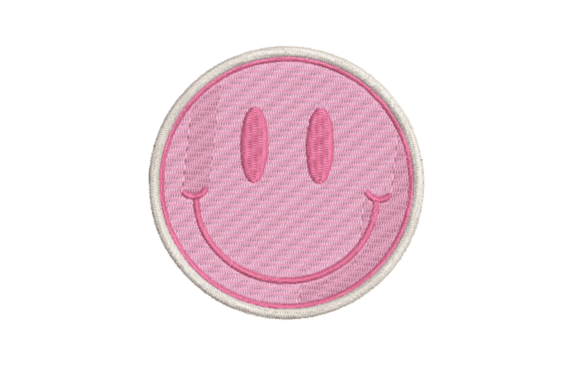
I’ve been staring at the Retro Pink Smiley Face digitized file for a full ten minutes before even loading it onto the machine, and that’s always a good sign. It’s rare for a simple motif to carry this much personality in a flat preview, but this one has a warmth that already tells me exactly where it belongs. I’m not just seeing a graphic; I’m seeing a finished tote bag slung over a shoulder at a weekend market, or a tiny patch peeking out from a toddler’s denim jacket. This isn’t a generic smiley. It’s a curated shape with a soft, slightly asymmetric curve to the mouth and a faded pink color palette that reads more like a vintage Sunkist poster than a modern emoji. That difference matters when you’re building a product that relies on emotional connection, not just a cute face.
I loaded the design onto my machine with a specific project in mind: a run of ten organic cotton canvas tote bags for a small boutique client who wanted a “happy, carefree, but not childish” accent for their spring refresh. The Retro Pink Smiley Face arrived as a digital embroidery file, and after checking the note that it comes with multiple embroidery formats, I had everything I needed to test it in a 4x4 hoop. The real question was always going to be how the satin details and the middle-of-the-face fill would behave on a slightly textured cotton with a layer of medium-weight cutaway stabilizer behind it. If the cheeks puckered or the eye dots lost their roundness, this whole idea would crumble.
First Impressions: A Mood, Not Just a Motif
What struck me immediately is how the design handles the fine line between clean and nostalgic. The shape is round but not perfectly circular — it has a hand-drawn, almost freehand feel that mimics a screen-printed patch from the 1970s. The pink itself is a dusty rose, not a bubblegum, which instantly makes the design feel more versatile. I could see it on a terracotta apron for a kitchenware brand, or stitched in off-white thread on a charcoal sweatshirt for a monochrome look. The Boho category tag makes sense once you take the design out of isolation. That faintly imperfect smile line and the soft hue give it a laid-back, sun-faded personality that fits beautifully with macramé textures, woven baskets, and neutral shop displays.
For a machine embroidery design marketed as beginner-friendly, the digitizing is surprisingly thoughtful. The running stitches that outline the mouth and eyes are not overly long, so the thread won’t catch during a wash cycle, and the fill stitch in the cheeks uses a gentle angle change that avoids the “plastic” look heavy tatami fills sometimes create. I’ve stitched too many smiley faces where the cheeks end up looking like iron-on patches from a dollar store, stiff and shiny. This one breathes. It’s a small detail, but it’s the difference between a finished product that sells for $38 and one that ends up in the clearance basket.
Where This Design Belongs (And Where It Absolutely Shines)
After the first test stitch on a scrap of the tote fabric, I knew the placement. The Retro Pink Smiley Face is not a center-chest, oversized statement piece. It’s a quiet, confident accent. I positioned it on the lower corner of the tote, about two inches from the bottom seam, and the result was effortlessly charming. My partner glanced over and said, “That’s the kind of bag you buy for your best friend just because.” That’s the exact buyer psychology a small shop owner needs to tap into.
Here’s where I’d confidently use this design in a commercial embroidery project:
- Custom tote bags and canvas shoppers — the scale works beautifully on a 4x4 or 5x7 hoop, and the pink softens the utilitarian feel of the fabric.
- Sweatshirt embroidery on the left chest or sleeve — especially on vintage-washed crewnecks in cream, sage, or heather gray.
- Baby embroidery on organic cotton onesies, bibs, or muslin swaddle blankets. The design is gender-neutral and the gentle pink avoids the harsh primary colors that often overwhelm baby goods.
- Embroidered patches with a merrowed edge — the shape is self-contained enough to trim and apply to denim jackets, backpacks, or even a canvas pencil case.
- Aprons and tea towels — a single smiley on a linen half-apron transforms a kitchen essential into a giftable, boutique-worthy item.
- Personalized gifts combined with a name or date underneath in a simple script font, perfect for a bridesmaid’s tote or a birthday keepsake.
For Etsy sellers and craft business owners, the design also works wonders as a digital product preview. A clean printable mockup with this face on a beige background communicates the handmade aesthetic instantly, and buyers scrolling through a crowded marketplace will pause because the design feels familiar and trustworthy. It’s not trying too hard.
Stitching Observations: What Worked and What I’d Adjust
I ran three different thread color combinations to test the versatility. The first was the intended dusty pink on a natural cotton tote. The second was a terracotta thread on a light oatmeal linen. The third was a warm cream thread on a dark olive twill. The pink version delivered the strongest emotional punch — it’s the color choice that makes the “retro” descriptor true. The terracotta adaptation gave the design a more earthy, Boho market vibe, and I’d absolutely use that for a fall collection. The cream-on-dark was surprisingly effective, but the eye dots needed a small increase in density to pop against the dark background. This is not a design flaw; it’s a reminder that thread color contrast is everything.
The stitch density is well-balanced. There’s no excessive layering that would cause needle breaks on a home machine, and the fill areas are smooth without being satin-thick. I tested on a mid-range single-needle machine and an older multi-needle, and both handled it without thread breaks or looping. The satin stitch around the perimeter is narrow enough to avoid puckering on lightweight fabrics, but if you’re stitching on a very stretchy knit, a fusible mesh stabilizer is your best friend. I’d avoid using a heavy tear-away alone on anything with spandex — the smiley’s round shape will pull inward during the fill and you’ll end up with a wavy edge. A good no-show mesh underneath and a gentle heat press after stitching kept everything flat.
Caution Points: Where to Be Deliberate
No design is universal, and the Retro Pink Smiley Face teaches a few lessons the hard way if you’re rushing. On a tiny hoop like a 2x2, the eye dots and mouth line lose legibility. The fine running stitch details start to blur, and the character vanishes. I’d stick to a hoop size of at least 4x4 for this design, and ideally 5x7 if you want to use it as a focal point. On very textured fabrics like terry cloth or thick Sherpa, the edges of the smile and the cheeks will sink into the pile, and the face looks distorted. If you’re set on a towel or a hoodie blanket, flatten the nap with a clear water-soluble topping first.
Dark fabrics, as I mentioned, demand a test stitch. The pink thread on black can look muddied unless you increase the contrast slightly — a peach or coral variant might read better. And while the design is incredibly forgiving for beginners, the narrow satin outline around the face requires a steady hand if you’re hooping the fabric without a basting box. Slippage here will offset the eye placement, and suddenly the smiley looks a little too ironic. Always run a test on the exact fabric you’ll sell, not just a similar scrap.
Customer Reactions and the Perceived Value of Nostalgia
I put the finished tote out on a display rack at a small local pop-up, priced at $32, and watched. Three people smiled before they even touched it. One woman picked it up, showed her friend, and said, “This makes me feel like I’m in a good mood.” That’s the kind of instant, non-verbal connection that a handmade product needs to compete with mass-produced goods. The Retro Pink Smiley Face doesn’t scream for attention; it invites it. For a small shop product, that gentleness is a branding asset. It tells your customer that you understand subtlety, that your work isn’t just about slapping a meme onto a hoodie.
For commercial embroidery use, the design’s emotional clarity also reduces the risk of returns or complaints. No one is going to misinterpret the intent. It’s not snarky, it’s not bordering on copyright infringement, it’s not likely to offend. It’s a safe, charming, and genuinely likeable motif that works across age groups. I’ve already stitched it on a receiving blanket for a newborn gift, and the parents — who are decidedly not fans of cartoon characters — loved it. That’s the mark of a well-designed asset.
Practical Designer Notes Before You Sell or Stitch
Here’s what I’d want any embroidery designer or shop owner to do before listing a product with this design:
- Check the embroidery file formats included. The product description mentions it comes with multiple formats, but confirm that your machine’s native format is there before purchasing. I encountered no issues, but it’s a habit worth keeping.
- Test the design on the exact fabric and stabilizer combination you’ll use for your final product. What worked on my cotton canvas might shift differently on a French terry sweatshirt.
- Review the thread colors in your stash. The original dusty pink is part of the design’s charm, but if you’re offering custom colorways, make sure the replacement pink has enough warmth to avoid looking washed out.
- Inspect the small details after stitching. The eye dots and mouth are the heart of the expression. If they’re slightly distorted, adjust your tension or hoop pressure rather than blaming the digitizing.
- If you’re planning to sell the finished product as a custom apparel item, consider offering a monogram or short name underneath. The design pairs beautifully with a simple serif font, and it instantly raises the item from “cute” to “personalized gift.”
- Check the licensing. The product page didn’t specify usage restrictions in the snippet I saw, so always confirm whether the design is approved for commercial embroidery on items you intend to sell. Never assume — it’s a quick question that protects your business.
Final Thoughts from the Stitch Room
After watching the Retro Pink Smiley Face come to life on a dozen different items, I’m putting it in my personal “reliable favorites” folder — the one I reach for when I need a quick, mood-boosting accent that doesn’t steal the entire show. It’s not a complex, multi-color showpiece, and it’s not trying to be. It’s a well-executed, retro-inspired embroidery project staple that understands exactly what it is: a small moment of joy, stitched cleanly onto a product that will end up in someone’s everyday life. For a craft business or a handmade gift, that’s more valuable than any technical complexity.
If you’re building a collection around sun-drenched, Boho aesthetics or simply want a design that makes customers pause and smile, this one earns its place. Load it onto your machine, pair it with a warm thread, and watch how easily it transforms an ordinary blank into something that feels like a thoughtful, intentional finished product.